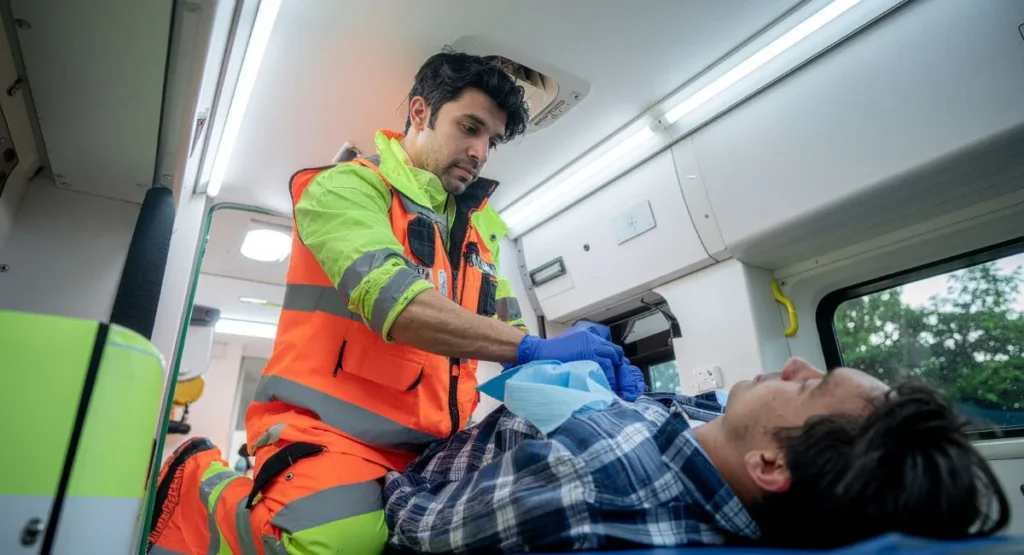
Imagine being in an Emergency Triage , the clock ticking down, and you’re faced with the responsibility of prioritizing the care of 50 patients in just 15 minutes. It sounds impossible, right? However, this scenario is a daily reality for healthcare professionals worldwide.
The truth is, triaging patients effectively in a short amount of time is crucial to saving lives in emergency situations. The right triage system can mean the difference between life and death, and it’s up to skilled professionals to implement it under immense pressure. This blog will break down how you can optimize your emergency workflow to triage efficiently, ensuring that each patient receives the right care at the right time.
By the end of this post, you’ll have a thorough understanding of the triage system, and practical steps to prioritize patients swiftly and effectively in high-pressure scenarios.
What Is Emergency Triage, and Why Is It Critical in Mass Casualties?
Triage is the process of sorting patients based on the severity of their condition. In emergency situations where resources are limited, triage ensures that those who need immediate care are treated first, and those who can wait are prioritized appropriately.
How Does a Triage System Work?
The triage system involves a quick but thorough assessment of each patient. Typically, patients are categorized into four groups based on the urgency of their condition:
- Red (Immediate): Life-threatening injuries that require immediate intervention.
- Yellow (Delayed): Serious but not immediately life-threatening injuries.
- Green (Minor): Injuries that are not life-threatening and can wait.
- Black (Deceased or Expectant): Patients with injuries so severe that survival is not possible even with immediate care.
These categories help healthcare professionals decide where to focus their time and resources.
How Can You Prioritize 50 Patients in 15 Minutes?
The idea of prioritizing 50 patients in 15 minutes might seem overwhelming. However, with the right tools and mindset, it’s entirely achievable. Here’s a step-by-step guide to make it possible:
Step 1: Establish a Rapid Triage Process
To triage quickly, you must streamline the process. Instead of conducting a full medical assessment, focus on a few key factors:
- Airway: Is the patient’s airway clear?
- Breathing: Is the patient breathing adequately?
- Circulation: Is there significant blood loss or shock?
If the answer to any of these is “no,” the patient must be prioritized immediately for life-saving interventions.
Step 2: Implement a Standardized Scoring System
One of the biggest hurdles in triaging is the lack of consistency in assessments. To avoid confusion, a standardized scoring system should be used. The START (Simple Triage and Rapid Treatment) system is an excellent example, providing clear protocols for quickly categorizing patients based on their injuries. This system can be customized according to your emergency department’s specific needs.
Step 3: Delegate the Triage Process
In high-volume situations, triage cannot be handled by a single person. Divide the responsibilities:
- One person can be responsible for assessing Airway, Breathing, and Circulation.
- Another can handle consciousness levels (checking if patients are alert or in shock).
- Medical professionals can then focus on specific cases based on the initial assessment.
Delegation speeds up the process and ensures no critical steps are missed.
What Are Some Real-World Examples of Effective Triage in Action?
Effective triage isn’t just about a theory—it has been implemented successfully in multiple real-world situations. Let’s look at a couple of examples:
Example 1: The 2010 Haiti Earthquake
After the devastating earthquake in Haiti, emergency medical teams from around the world had to implement triage systems in the most chaotic environments. With limited resources and a high volume of casualties, teams relied heavily on quick, decisive action. The START triage system was key in saving countless lives, ensuring that those who could be saved received immediate care.
Example 2: The 2014 Ebola Outbreak in West Africa
During the Ebola outbreak, triaging patients was vital to controlling the spread of the virus. Medical staff employed a rapid triage system to isolate patients showing symptoms of Ebola. The use of clear protocols allowed healthcare professionals to prioritize those at the highest risk of spreading the virus while still offering care to the sickest patients.
How Can Technology Improve Triage Systems in Pakistan?
While manual triaging remains common, technology is starting to play a larger role in optimizing emergency workflows.
Electronic Health Records (EHR)
One way technology can assist in triaging is through the integration of EHR. By having patient information readily available, doctors can quickly make decisions based on medical history, allergies, and previous treatments.
Mobile Triage Apps
There are several mobile apps designed specifically for triaging patients. These apps help healthcare professionals prioritize cases based on severity and track patient progress in real-time.
A great example is Trauma Triage, an app that helps medical teams assess injuries quickly using customizable algorithms.
Data Analytics
Data analytics can be used to predict patient outcomes, optimizing the triage process. Machine learning algorithms can analyze past patient data to forecast the likelihood of survival or complications, guiding decisions in real-time.
How Can You Ensure a Smooth Emergency Workflow?
A smooth emergency workflow is essential for effective triaging. Below are a few strategies to help streamline operations:
1. Pre-Established Protocols
Having pre-established protocols ensures that everyone knows their role and what actions to take in an emergency. These should be reviewed and updated regularly.
2. Continuous Training
It’s important to continuously train your staff in triage techniques. Regular drills help professionals stay sharp and confident in their ability to prioritize patients under pressure.
3. Real-Time Communication
Ensure that communication between teams is efficient and real-time. This can be facilitated through radio communication, mobile apps, or walkie-talkies.
How Can You Improve the Speed and Accuracy of Triage?
The key to efficient triage is speed without sacrificing accuracy. Here are some tips for improving both:
Tip 1: Use Visual Triage Tags
Triage tags are color-coded wristbands or stickers that can be quickly applied to patients. These tags are a visual cue for medical staff, ensuring that patients are categorized and prioritized as soon as possible.
Tip 2: Leverage AI Tools
Artificial intelligence (AI) tools, like predictive algorithms, can assist in identifying the severity of cases. These tools can quickly analyze a patient’s vital signs and medical history to categorize them according to urgency.
Tip 3: Practice Under Pressure
Regularly conducting practice triage scenarios under timed conditions can greatly enhance speed and accuracy in real-life situations.
Conclusion
In emergency situations, where every second counts, the ability to prioritize 50 patients in 15 minutes is a skill that can save lives. By establishing a streamlined triage system, delegating tasks, incorporating technology, and maintaining a smooth emergency workflow, you can ensure that patients receive the care they need promptly.
As healthcare professionals in Pakistan continue to face the pressure of limited resources and high patient volumes, refining these processes becomes all the more important. Mastering triage not only improves patient outcomes but also enhances the efficiency of emergency care.
Ready to Upgrade Your Clinic?
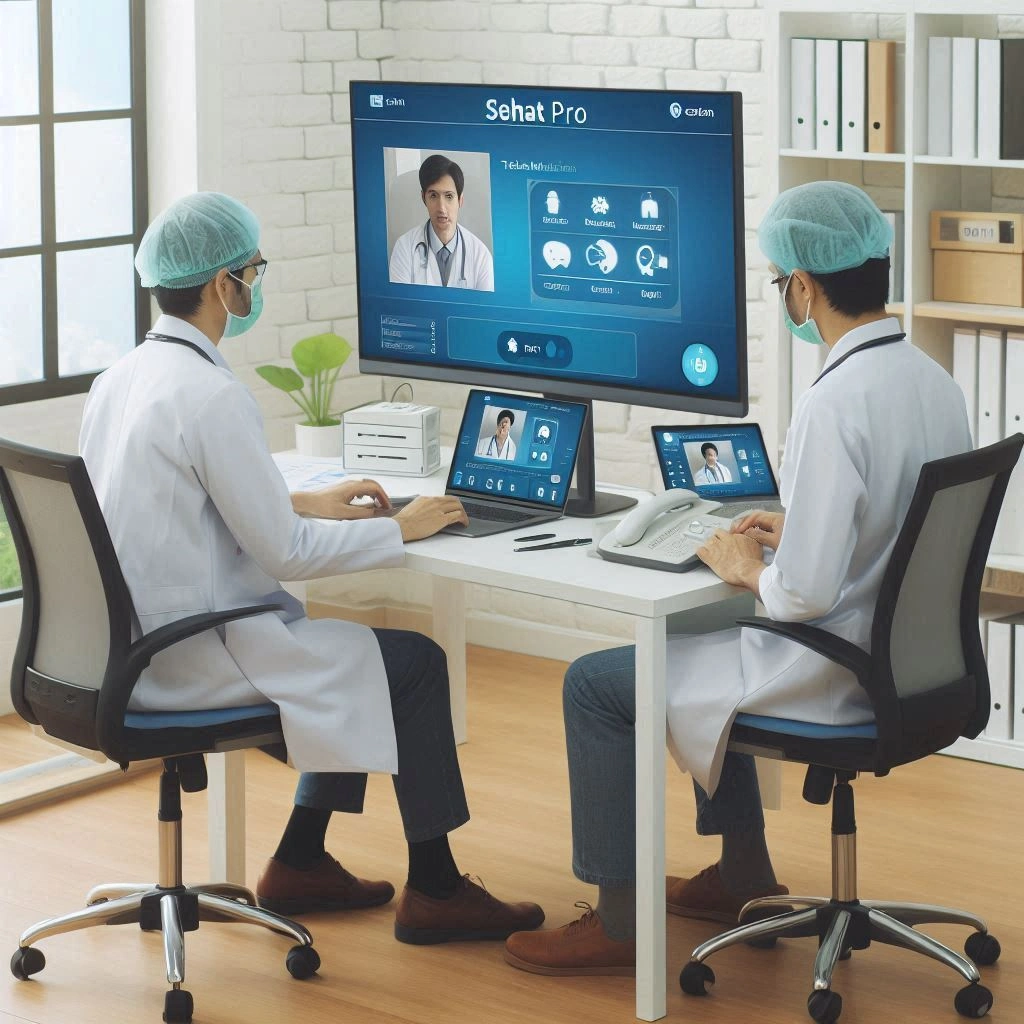
Make your clinic smart, fast, and paperless with SehatPro Clinic Management Software.
Call or WhatsApp for Free Demo & ConsultationFAQ Section
-
What is the best triage system for mass casualty incidents?
The START system is widely regarded as one of the best for mass casualty incidents due to its simplicity and efficiency. It focuses on rapid assessment of airway, breathing, and circulation, making it perfect for fast-paced emergency situations.
-
How can technology help in triage?
Mobile apps, Electronic Health Records (EHR), and predictive analytics are all tools that can significantly improve triage by providing quick access to patient information and supporting real-time decision-making.
-
Can the triage process be improved with training?
Yes, continuous training and regular triage drills ensure that staff are well-prepared to handle high-pressure situations and can make quick, accurate decisions under stress.
-
What is the role of delegation in triage?
Delegation ensures that the triage process is faster and more accurate. By having specialized roles for different aspects of triage, healthcare teams can handle larger numbers of patients more efficiently.
-
How can triage protocols be standardized?
Triage protocols can be standardized by using widely accepted systems like START, ensuring consistency in patient categorization. Regular reviews and updates of these protocols are also crucial for maintaining their effectiveness.
-
Why is it important to assess breathing and circulation first in triage?
Breathing and circulation are vital for survival. If a patient’s airway is obstructed or they are in shock, immediate intervention is required. Addressing these critical factors first helps prevent death from preventable causes.