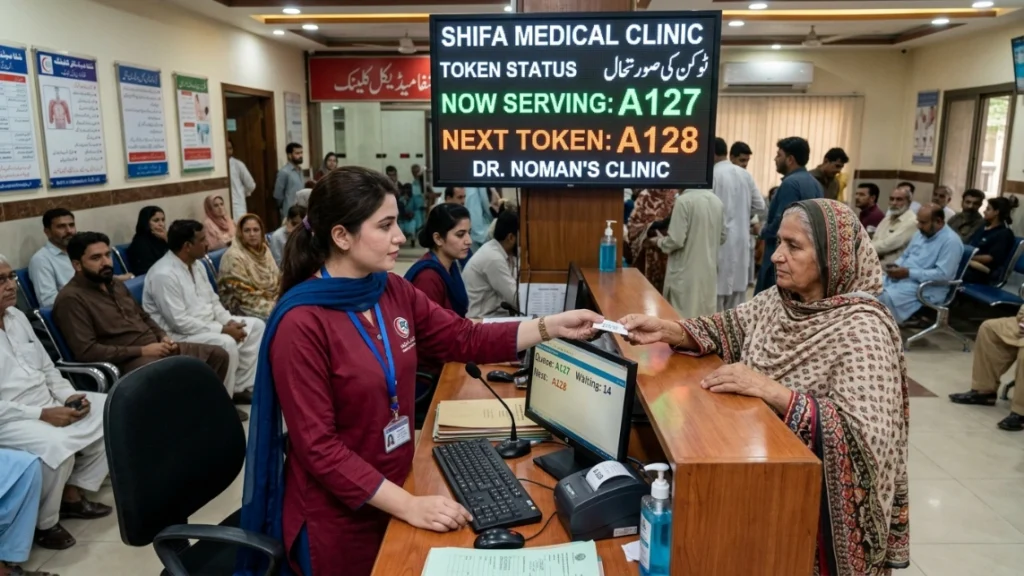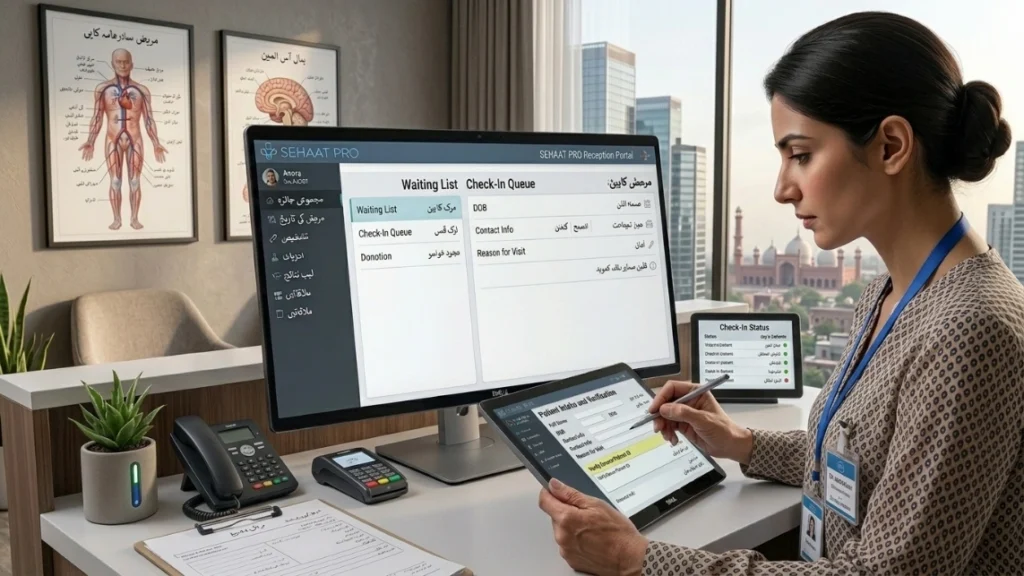

Have you ever found yourself drowning in separate reports from multiple clinics, struggling to get a clear, consolidated view of your business operations? You’re not alone. Many clinic owners, especially those managing multiple branches, face the overwhelming challenge of tracking performance, revenue, and operations across different locations.
For clinic chains in Pakistan, juggling multiple data streams without a centralized data system often leads to confusion, inefficiency, and missed opportunities. But what if you could see all your clinics’ performance in one dashboard? In this blog, we’ll explore how Multi-Branch Reporting can help streamline clinic chain management and bring all your operations to a single screen, saving time and boosting your decision-making capabilities.
What Exactly is Multi-location Practice Management?
At its core, Multi-Branch Reporting is a powerful tool for businesses, especially healthcare networks, to view and analyze data from multiple locations in one place. Instead of sifting through individual reports from each branch, a multi-site dashboard allows managers to see key metrics like revenue, patient volume, staff performance, and operational costs across all branches simultaneously.
For clinic chains in Pakistan, this means seamless tracking of performance and a massive reduction in administrative overhead. Whether you run a network of clinics in Karachi, Lahore, or Islamabad, centralized clinic analytics consolidate information in one dashboard, empowering you to manage everything efficiently without leaving your office.

Why is a Unified View Crucial for Clinic Chains?
1. Centralized Data Access
In a traditional setup, an admin has to call three different managers to get the daily sales or patient count. With consolidated financial statements, all the performance data of each branch is accessible in one place. You no longer have to open separate software instances or Excel sheets for each clinic.
2. Real-Time Performance Monitoring
The ability to monitor clinic performance in real time is a game-changer. Through branch-wise performance tracking, you can identify underperforming branches, areas needing improvement, and best practices from high-performing branches. If your Lahore branch is seeing a sudden dip in appointments, you’ll know by 10:00 AM, not at the end of the month.
3. Operational Efficiency Metrics
Time spent managing different branches decreases drastically when you don’t have to manually compile reports. Operational efficiency metrics allow you to compare how much time is spent per patient or how many resources are being wasted in different locations.
The Hidden Costs of Fragmented Reporting
When you don’t have integrated healthcare reporting, you pay for it in ways you might not realize:
-
Data Silos: Information gets trapped in one branch. Your Karachi staff might have found a way to reduce patient wait times, but your Lahore staff is still struggling because the data isn’t being shared.
-
Human Error: Manual data entry across multiple sheets is a recipe for disaster. One misplaced decimal can show a profit where there is a loss.
-
Delayed Decisions: If it takes three days to compile a weekly report, your data is already “stale” by the time you look at it.
The Impact of Unified Inventory Management
Managing a clinic chain’s inventory is a logistical jigsaw puzzle. Multi-branch reporting isn’t just about patients; it’s about stock control. In Pakistan, clinics often face medicine shortages or expired stock because they lack visibility into what is sitting on the shelves of their other branches.
With a centralized data system, you can implement “Inter-branch stock transfers.” If your Karachi branch has an overstock of a specific vaccine while your Lahore branch is running low, your dashboard will alert you instantly. This prevents waste, saves money, and ensures you never have to turn a patient away.
Strategic KPIs for Clinic Chains
To truly master multi-site coordination, you must track the right Key Performance Indicators (KPIs).
| Metric Name | Why it Matters? |
| Patient Acquisition Cost (PAC) | Measures the marketing spend required to bring in a new patient. |
| Branch-wise Retention Rate | Identifies which branch is best at keeping patients coming back. |
| Average Consultation Time | Highlights if a specific location has a backlog causing patient frustration. |
| Claim Rejection Ratio | Shows where billing errors are occurring in insurance-linked clinics. |
How Modern Enterprise Clinic Solutions Work
A multi-location practice management system is built using integrated software solutions that pull data from all clinics and present it in an easily digestible format.
Automated Reporting Tools
The beauty of these tools is that they collect data automatically. Systems like SehatPro or DoctorSoft in Pakistan enable these features, allowing clinic managers to track appointments, patient history, and financial data without manual intervention.
Comparative Branch Analytics
Using Business Intelligence (BI) tools like Power BI, you can create comparative branch analytics. This lets you see a side-by-side comparison of Branch A vs. Branch B. This “healthy competition” often leads to better overall performance across the chain.
Enhancing Patient Trust Through Consistency
Consistency is the hallmark of a great brand. Unified patient records allow a patient to visit your Karachi branch for a checkup and follow up in Lahore with the same medical history. When a doctor has instant access to previous records, it builds immense trust. In the Pakistani healthcare market, moving from being a “local clinic” to a “trusted healthcare brand” requires this level of professional data integration.
Data-Driven Decision Making: From Guesswork to Growth
Multi-Branch Reporting allows you to gather actionable insights across your network.
-
Revenue and Profitability Analysis: Compare the profitability of different branches to identify top-performing locations.
-
Staff Utilization: See if one branch is overstaffed while another is struggling to handle the patient load.
-
Patient Insights: Understand demographics. If patients in Islamabad prefer evening slots while Karachi patients prefer mornings, your dashboard will tell you, allowing you to adjust staffing accordingly.
Scalability: Growing Without the Growing Pains
As your clinic chain expands, managing data becomes complex. A scalable system ensures that you can manage new clinics as seamlessly as existing ones. Adding a new branch should be as simple as adding a new user; the data should flow automatically into your consolidated view.
Best Practices for Implementing Your System
-
Automate Data Collection: Stop relying on manual “end-of-day” phone calls.
-
Customize Your Metrics: Set KPIs that align with your growth goals.
-
Regular Data Audits: Periodically check your centralized data system for discrepancies.
-
Invest in Training: Ensure branch managers understand how to interpret the dashboard.
Conclusion
Managing a clinic chain in Pakistan shouldn’t be a logistical nightmare. By implementing Multi-Branch Reporting, you turn fragmented data into a strategic asset. You shift from being a “firefighter” solving daily crises to a “visionary” planning for nationwide expansion.
Whether you’re currently running two clinics or planning to scale to twenty, a centralized dashboard is the backbone of modern healthcare. It empowers you to make smarter decisions faster, ensures staff accountability, and guarantees that your patients receive high-quality, consistent care everywhere.
Ready to Upgrade Your Clinic?
Make your clinic smart, fast, and paperless with SehatPro Clinic Management Software.
Call or WhatsApp for Free Demo & ConsultationFAQ
What is multi-branch reporting?
Multi-branch reporting is a system that consolidates data from multiple clinic locations into a single dashboard, providing an overview of key metrics like revenue, patient visits, and operational performance.
How does multi-branch reporting help clinics?
It saves time by centralizing data from all clinics in one place, allowing managers to track performance, identify trends, and make data-driven decisions efficiently.
What tools are used for multi-branch reporting?
Popular tools for multi-branch reporting include clinic management software like SehatPro and DoctorSoft, as well as business intelligence tools like Power BI and Tableau.
Can multi-branch reporting help with clinic growth?
Yes, multi-branch reporting supports scalability by providing a unified platform for managing multiple locations, making it easier to track performance and expand operations.
How does multi-branch reporting improve decision-making?
It provides real-time insights into clinic performance, enabling managers to make informed decisions about staffing, marketing, and operational changes.
Is multi-branch reporting useful for small clinics?
Absolutely. Even for smaller clinic chains, multi-branch reporting simplifies operations and provides insights that help improve efficiency and profitability.
How often should I review multi-branch reports?
It’s best to review your reports regularly, such as weekly or monthly, to keep track of trends, identify potential issues, and take action before problems escalate.