
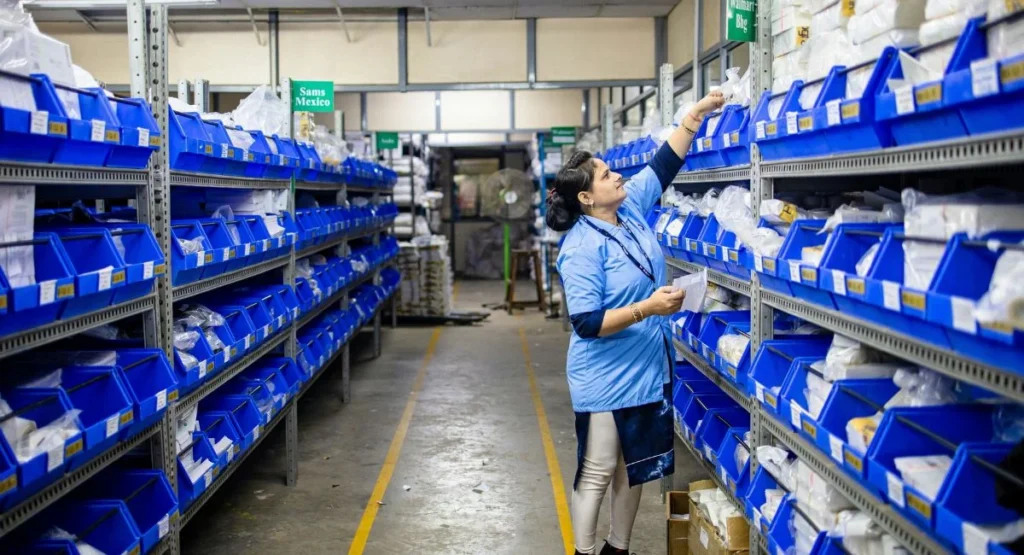
Have you ever struggled to track who got what, when, and how many samples? If you’re aiming for Zero Sample Waste, managing this pharmaceutical nightmare is your first step. You’re not alone. Many pharmaceutical companies in Pakistan deal with wasted inventory and inefficient sample distribution due to poor tracking systems.
One study found that pharmaceutical companies waste an average of 10-15% of their product samples annually due to mismanagement. This not only eats into profits but also leaves managers scrambling to control their sample distribution.
In this blog post, we’ll explore how adopting a sample distribution log can help you avoid Zero Sample waste, improve accountability, and streamline the process for both your team and customers. We’ll cover practical steps, industry best practices, and how this tool can revolutionize your operations, making your manager’s job significantly easier.
What Exactly is a Sample Distribution Log, and How Does it Lead to Zero Sample Waste?
A sample distribution log is a comprehensive record-keeping tool used to track the distribution of pharmaceutical samples to healthcare professionals, distributors, or clinics. It helps ensure that samples are distributed efficiently, acting as the foundation for achieving Zero Sample Waste while maintaining strict compliance with Pakistan’s pharmaceutical regulations. By keeping accurate and detailed logs, companies can avoid over-distribution, under-distribution, and ensure full transparency.
Why Is a Sample Distribution Log Important for Pharmaceutical Companies?
Does Tracking Samples Really Matter in the Pharmaceutical Industry?
Absolutely. In Pakistan, pharmaceutical companies are required by law to maintain detailed records of sample distribution for regulatory and compliance purposes. Failing to keep accurate records can lead to penalties, fines, or even the revocation of licenses.
But it’s not just about compliance. Efficient tracking can save your company significant costs. Pharmaceutical samples are costly, and mismanagement often leads to wasted stock, underutilized products, and even lost opportunities. The distribution log can serve as an invaluable tool to ensure that your company maintains control over its inventory while complying with industry regulations.
The Benefits of a Sample Distribution Log
Implementing a sample distribution log has numerous advantages:
- Prevents Waste: A well-maintained log ensures that your company distributes samples to the right people, at the right time, and in the right quantities.
- Improved Accountability: With clear records, it’s easier to identify where a sample went and why it was distributed, increasing transparency.
- Regulatory Compliance: A detailed log allows your company to comply with local pharmaceutical regulations, ensuring smooth audits and inspections.
- Better Reporting and Decision Making: By having real-time access to sample data, managers can analyze trends, track sample effectiveness, and refine future distribution strategies.
How Do You Create a Pharmaceutical Sample Distribution Log?
What Should You Include in a Sample Distribution Log?
Creating a sample distribution log doesn’t have to be complicated, but it does need to cover all essential information. Here’s a breakdown of the fields you should include:
- Date of Distribution: When the sample was handed out.
- Recipient Information: Full name, designation, contact details, and license number (for healthcare professionals).
- Sample Details: Product name, quantity, batch number, and expiry date.
- Purpose of Distribution: Whether the sample is for a promotional campaign, a doctor’s request, or a routine supply.
- Authorized Signatures: A sign-off from both the distributor and the recipient ensures accountability.

Real-World Example: A Pharma Company’s Sample Distribution Process
A well-known pharmaceutical company in Karachi recently implemented a sample distribution log to track their inventory more effectively. The system they used was integrated with their existing warehouse management system, enabling real-time updates on sample distribution. With detailed logs, they were able to reduce waste by 20%, ensuring that only authorized personnel received samples, while maintaining regulatory compliance.
Best Practices for Maintaining a Sample Distribution Log;
How Can You Ensure Accuracy and Efficiency in Your Logs?
Maintaining an accurate and efficient sample distribution log requires a combination of proper training and robust software tools. Here are some best practices for making sure your logs are both reliable and useful:
- Train Your Team: Ensure your sales representatives and field staff are trained to fill out the distribution logs correctly and consistently. This reduces the chances of errors or omissions.
- Use Digital Tools: Instead of relying on paper logs, implement a digital sample distribution log. Digital records are easier to update and manage, and you can integrate them with inventory management systems.
- Regular Audits: Conduct regular audits of your sample distribution logs. This helps you catch discrepancies early and ensures that your records align with actual sample inventory.
- Automated Alerts: Set up automated alerts for sample expiry dates, low stock levels, and excessive distribution requests. These alerts will keep you proactive and prevent waste.
Pro Tip: Digital vs. Paper Logs
In today’s fast-paced environment, digital logs are a far superior option compared to paper logs. They offer real-time updates, cloud storage for easy access, and integration with your existing systems. Digital logs also help to track distribution trends, identify inefficiencies, and facilitate easier reporting.
How to Maximize the Impact of Your Sample Distribution Log?
How Can You Turn Your Distribution Log Into a Strategic Asset?
Once your sample distribution log is in place, it’s time to leverage it as a strategic tool for your business. Here are ways you can maximize its impact:
- Analyze Distribution Data: Look for trends in the types of samples being requested, which healthcare professionals are requesting them, and how often. This can help you optimize future campaigns and target your marketing more effectively.
- Monitor ROI: With accurate tracking, you can measure the success of your sample distribution campaigns and determine which products are the most effective.
- Build Stronger Relationships: Use the data from your distribution logs to engage with healthcare professionals more meaningfully. By showing that you track and value their sample needs, you build trust and loyalty.
Case Study: Improved Distribution with Data-Driven Decisions
A pharmaceutical company in Lahore was able to use their sample distribution log to identify that certain doctors were requesting more samples than others. They tailored their marketing efforts to these high-volume doctors, increasing sales by 15% over six months.
How Does the Sample Distribution Log Support Compliance?
What Are the Legal Requirements for Pharmaceutical Sample Tracking in Pakistan?
In Pakistan, the Drug Regulatory Authority of Pakistan (DRAP) enforces stringent regulations on the distribution of pharmaceutical samples. Failure to adhere to these regulations can result in fines, penalties, and damage to a company’s reputation.
A sample distribution log helps you stay compliant by documenting every sample’s distribution, ensuring that all records are accessible for audits. When DRAP conducts inspections, having a well-organized log can save time and trouble, providing clear evidence of your compliance with regulations.
Conclusion: Streamline Your Sample Distribution Today
Implementing a sample distribution log is no longer just a good practice; it’s a necessity for pharmaceutical companies looking to avoid waste, maintain regulatory compliance, and optimize their distribution processes. By following the steps outlined in this guide, you can create a system that not only satisfies your manager’s requirements but also boosts your company’s operational efficiency.
Take action now—start implementing a sample distribution log and experience the improvements in tracking, accountability, and cost-saving benefits. Don’t wait until the next audit to get organized; the time to act is now.
Next Steps:
- Explore Digital Solutions: Look into digital tracking systems like Salesforce or SAP to automate your logs.
- Consult with a Compliance Expert: Ensure that your logs meet all regulatory requirements specific to your region.
Make your clinic smart, fast, and paperless with SehatPro Clinic Management Software.
Ready to Upgrade Your Clinic?
FAQ: Sample Distribution Log
1. What is the purpose of a sample distribution log?
A sample distribution log helps pharmaceutical companies track the distribution of their samples to ensure accountability, minimize waste, and maintain regulatory compliance.
2. What details should be included in a pharmaceutical sample distribution log?
Key details include the date of distribution, recipient information, sample details (e.g., product name and quantity), purpose of distribution, and signatures for accountability.
3. How can digital tools help improve sample distribution logs?
Digital tools allow for real-time updates, better accuracy, integration with inventory systems, and easier reporting. They also help avoid errors associated with paper logs.
4. What are the regulatory requirements for sample distribution in Pakistan?
The Drug Regulatory Authority of Pakistan (DRAP) requires detailed records for all pharmaceutical sample distributions. These logs must be accessible for audits and show compliance with regulatory standards.
5. How can I prevent waste in pharmaceutical sample distribution?
Use accurate sample distribution logs, set alerts for expiry dates, and ensure only authorized personnel distribute the samples to prevent over-distribution and underutilization.
6. Can a sample distribution log help with marketing efforts?
Yes, by analyzing trends in sample requests and identifying key healthcare professionals, companies can target their marketing efforts more effectively and increase sales.
7. Is maintaining a sample distribution log difficult?
Not if you follow best practices, such as using digital tools and conducting regular audits. Proper training and clear guidelines can make the process manageable.