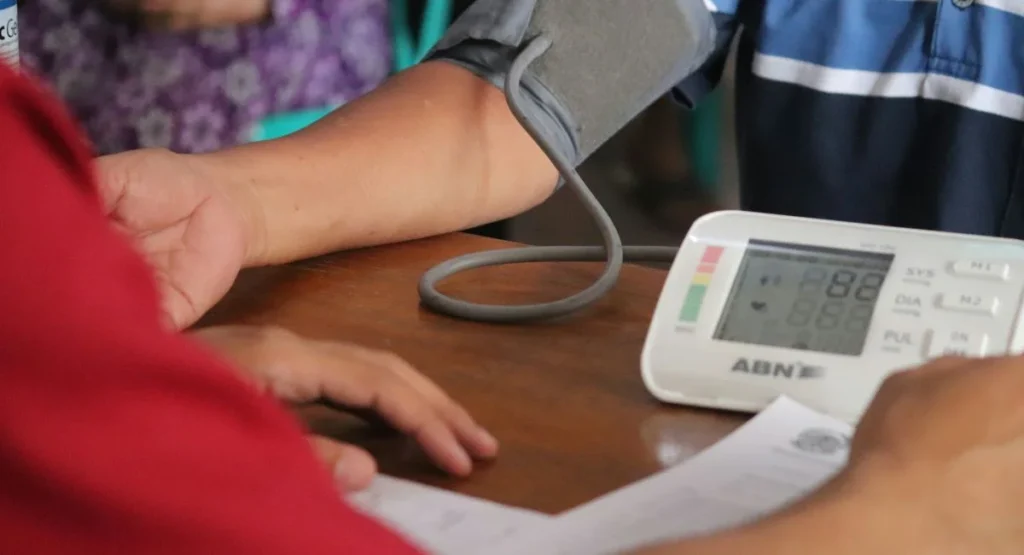

Weekly Review is a vital practice for healthcare providers who ask:
-
How confident are you in your ability to spot potential risks before they spiral out of control?
-
What if I told you that identifying critical cases early could significantly reduce complications and improve patient outcomes?
In healthcare settings, timely patient reviews can be the difference between a smooth recovery and a crisis.
In Pakistan, where the healthcare system often grapples with resource constraints, implementing a robust patient review process is more critical than ever. But how do you ensure that nothing slips through the cracks?
In this blog, we will dive deep into the importance of a weekly patient review process, how risk assessment plays a pivotal role, and actionable steps you can take to detect critical cases before complications hit.
Why is a Weekly Patient Review Process Essential?
What is the Patient Review Process, and Why Does It Matter?
The patient review process involves evaluating patients’ progress, identifying any emerging issues, and adjusting their treatment plans accordingly. In Pakistan’s healthcare system, this process is crucial due to various challenges, including limited resources, understaffed facilities, and increasing patient volumes.
A well-executed weekly review process ensures that healthcare providers can identify deteriorating conditions early, prioritize interventions, and provide better care. Without it, patients may develop complications that could have been avoided, leading to worsened health outcomes and higher treatment costs.
Real-World Example: A Tale of Timely Intervention
Consider a case from a leading hospital in Karachi, where a patient undergoing post-surgery recovery began showing signs of sepsis. Without a regular patient review, this condition could have quickly become life-threatening. However, due to the hospital’s weekly review process, the medical team identified the issue early, administered the necessary treatment, and the patient made a full recovery. This example underscores the power of proactive patient monitoring.

How Does Risk Assessment Factor into the Patient Review Process?
Understanding Risk Assessment in Healthcare
Risk assessment involves systematically identifying potential risks to a patient’s health and well-being. In the context of the patient review process, this means looking at factors like medical history, current condition, lifestyle, and external factors (such as social determinants of health).
By regularly assessing risk, healthcare providers can make more informed decisions about patient care. This can prevent complications such as infections, organ failure, or even death, which could otherwise be missed.
Pro Tip: Leveraging Technology for Effective Risk Assessment
Hospitals in Pakistan are increasingly turning to artificial intelligence (AI) and machine learning (ML) tools to improve their risk assessment capabilities. These tools can analyze patient data, predict complications, and offer decision support to medical staff. Integrating AI-driven tools into the patient review process enhances the accuracy and timeliness of identifying critical cases.
What Are the Key Components of an Effective Weekly Patient Review?
Comprehensive Data Collection
To make informed decisions, the review process must rely on comprehensive data collection. This includes patient medical records, lab results, imaging reports, and healthcare provider notes. In Pakistan’s often-overwhelmed healthcare environment, this step can be tricky, but it’s crucial for accurate assessments.
Multidisciplinary Team Involvement
An effective patient review process involves a team of healthcare professionals, including doctors, nurses, pharmacists, and sometimes even social workers. Involving a variety of specialists ensures that all aspects of a patient’s health are considered, from medication side effects to mental health concerns.
Case Study: Collaborative Care in Lahore
In a large teaching hospital in Lahore, a multidisciplinary team conducts weekly rounds to assess high-risk patients. One case involved a diabetic patient who was also suffering from hypertension. The team, which included a cardiologist, an endocrinologist, and a dietitian, worked together to adjust the treatment plan, preventing a potential stroke or heart attack.
What Are the Common Challenges in Implementing a Weekly Review Process?
Limited Resources and Staff Shortages
In Pakistan, one of the biggest challenges healthcare institutions face is staffing shortages. A shortage of healthcare providers can make it difficult to conduct thorough patient reviews, particularly in government hospitals or rural areas. This is where the integration of technology can help by automating parts of the review process, such as patient record tracking.
Overcoming Communication Barriers
Communication gaps between departments or staff members can also hinder the effectiveness of patient reviews. To overcome this, institutions should prioritize efficient communication systems, whether it’s through digital platforms or regular team meetings.
How Can Healthcare Providers Spot Critical Cases Before Complications Hit?
Use of Predictive Analytics
One of the most effective ways to spot critical cases early is through predictive analytics. By examining patterns in patient data, healthcare providers can identify early signs of complications such as infections, organ failure, or cardiac events. Predictive tools can suggest when a patient is at high risk, enabling timely interventions.
Actionable Tip: Prioritize High-Risk Patients
While it’s important to conduct reviews for all patients, prioritizing high-risk cases can improve outcomes. For example, patients who are immunocompromised, elderly, or suffering from chronic conditions should be the focus of weekly reviews. This allows the team to detect complications early and prevent further deterioration.
What Are the Benefits of a Regular Review Process for Healthcare Providers?
Improved Patient Outcomes
By catching problems early, healthcare providers can make timely adjustments to treatment plans, preventing unnecessary complications and improving overall patient outcomes. A study conducted by the Pakistan Medical Association found that regular patient reviews reduced hospital readmission rates by 15%.
Reduced Healthcare Costs
Early detection of critical conditions can also lead to cost savings. Treating a problem early is often more affordable than waiting until it becomes a serious issue. For instance, a timely intervention in a diabetic patient’s care can prevent costly hospitalizations or amputations.
Conclusion
In a fast-paced healthcare environment, especially in Pakistan’s public hospitals, the patient review process is more than just a routine task—it’s a critical component that determines the success of patient care. By integrating regular reviews with effective risk assessments and leveraging technology, healthcare providers can detect complications early and ensure the best outcomes for patients.
Call-to-Action: Take action today. Start reviewing your patients more regularly and implement stronger risk assessments. If you’re not already using predictive analytics tools, consider exploring them. Your patients’ health depends on it.
Ready to Upgrade Your Clinic?
Make your clinic smart, fast, and paperless with SehatPro Clinic Management Software.
Call or WhatsApp for Free Demo & ConsultationFAQ Section
1. What is a patient review process?
The patient review process involves regularly assessing patients’ health conditions, treatment progress, and potential risks. This helps healthcare providers adjust treatment plans and prevent complications.
2. Why is risk assessment important in healthcare?
Risk assessment helps identify potential health threats early, allowing healthcare providers to intervene before complications arise. It’s especially crucial for managing chronic conditions and high-risk patients.
3. How can technology help with patient reviews?
AI and machine learning can help analyze large sets of patient data, predict complications, and provide healthcare teams with decision support. This improves the accuracy and efficiency of the review process.
4. What are the challenges in implementing a patient review process in Pakistan?
Limited resources, understaffed healthcare facilities, and communication barriers are some of the challenges in Pakistan. However, technology can help overcome many of these obstacles.
5. How often should a patient review be conducted?
A weekly review process is ideal for most healthcare settings, but it can be adjusted depending on the patient’s condition and the healthcare facility’s capacity.
6. Can patient reviews reduce healthcare costs?
Yes, identifying issues early through regular patient reviews can prevent costly treatments and hospital readmissions, ultimately reducing healthcare expenses.
7. What is the role of multidisciplinary teams in patient reviews?
Multidisciplinary teams bring diverse expertise to the review process, ensuring that all aspects of a patient’s health are considered and managed effectively.