
Are you struggling to manage chronic diseases within your clinic? In Pakistan, the rise of chronic conditions like diabetes, hypertension, and cardiovascular diseases is overwhelming healthcare systems. A growing number of patients are now seeking efficient, personalized, and accessible care. Traditional methods are no longer enough to handle the complexities of chronic disease management.
Statistics: According to the World Health Organization, chronic diseases account for 61% of all deaths in Pakistan. However, digital healthcare platforms have emerged as a game-changing solution. These platforms not only streamline patient care but also help medical professionals manage chronic conditions more effectively.
In this article, you’ll discover how digital health platforms can transform your clinic’s approach to chronic disease management. We will explore real-world examples, actionable strategies, and the latest trends in the healthcare industry.
How Can Digital Healthcare Platforms Help Manage Chronic Diseases?
Digital health platforms offer numerous benefits, especially when managing chronic diseases. Let’s break down their role and importance.
Digital health platforms are software systems that facilitate the management of patients, medical records, communications, and treatment schedules. These platforms integrate various functionalities such as remote monitoring, data analytics, and telemedicine. For chronic disease management, this means:
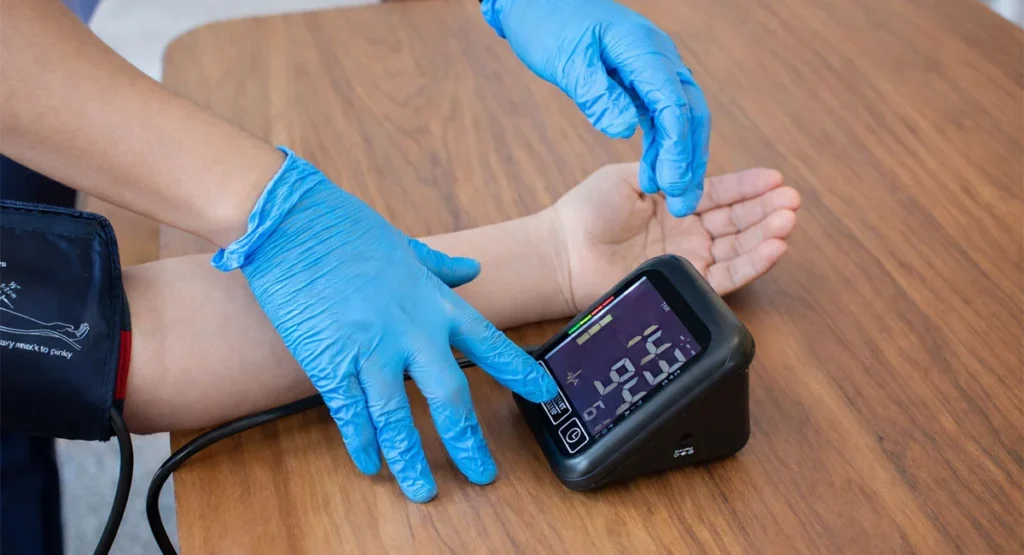
- Improved Patient Monitoring: Digital tools allow clinicians to track patient health data in real time, such as glucose levels, blood pressure, and heart rate, even from a distance.
- Personalized Care Plans: Data analytics can help tailor personalized treatment plans based on a patient’s unique needs and condition, which is vital for chronic disease patients who require continuous monitoring.
- Enhanced Patient Engagement: Patients become more involved in their care by tracking their progress, setting reminders for medications, and getting direct communication with their healthcare providers.
By integrating these solutions into Pakistani clinics, healthcare providers can offer more efficient care while minimizing operational costs.
What Are the Key Features of Digital Health Platforms for Chronic Disease Management?
Digital health platforms are packed with features that streamline chronic disease management. These include:
- Remote Patient Monitoring (RPM): Enables real-time data tracking and alerts for abnormal readings, crucial for diseases like diabetes and hypertension.
- Telemedicine Integration: Allows patients to consult doctors remotely, reducing hospital visits and improving accessibility for patients in remote areas of Pakistan.
- Patient Education Tools: Empower patients by offering educational resources tailored to their condition, enhancing adherence to treatment plans.
- Data Analytics and Reporting: Helps clinicians make informed decisions by analyzing trends in patient health data.
Real-World Example: Pakistan’s First Telehealth Service for Diabetics
One pioneering example in Pakistan is the launch of “Diabetes Care,” a telemedicine platform aimed at patients with diabetes. By offering remote consultations and regular monitoring, the platform has decreased hospital visits and helped patients manage their condition more effectively.
Pro Tip:
Choose platforms that comply with Pakistan’s health data protection regulations (such as the Personal Data Protection Bill, 2022) to ensure patient privacy.
How Can These Platforms Benefit Clinics in Pakistan?
For clinics in Pakistan, adopting digital health platforms can drastically improve chronic disease management and patient satisfaction. Some of the major benefits include:
- Cost Savings: By reducing hospital readmissions and improving medication adherence, clinics save on healthcare costs.
- Scalability: Clinics can treat more patients with fewer resources by offering remote consultations and reducing the need for in-person visits.
- Better Outcomes: With more timely interventions and personalized care, patients experience better health outcomes, which is critical for chronic disease management.
- Regulatory Compliance: Digital platforms allow clinics to ensure they meet local regulations, making it easier to navigate the complexities of healthcare in Pakistan.
Pro Tip:
Make sure your platform has proper telemedicine certification to align with the Pakistan Medical and Dental Council’s (PMDC) guidelines.

What Role Does Data Analytics Play in Chronic Disease Management?
Data analytics is the backbone of chronic disease management. It allows healthcare providers to:
- Identify Trends: By analyzing a patient’s data over time, clinicians can identify early signs of deterioration, allowing for preemptive action.
- Predict Health Risks: Using AI and machine learning, healthcare platforms can predict future complications, making it easier to offer preventive care.
- Improve Decision-Making: Data-driven insights help clinicians make more informed decisions, minimizing the risk of human error.
Case Study: Predictive Analytics in Hypertension Care
A hospital in Karachi used predictive analytics to manage hypertension in patients. By monitoring blood pressure readings remotely, they detected early signs of a stroke and were able to intervene, saving the patient’s life. The hospital saved millions by preventing unnecessary hospital admissions and improving the quality of care.
How Does Telemedicine Enhance Chronic Disease Management?
Telemedicine is a vital component of digital health platforms, offering several advantages, especially for chronic disease management:
- Improved Access to Care: Patients in remote areas of Pakistan can receive medical consultations without traveling to the clinic.
- Regular Follow-ups: Chronic disease patients often require regular follow-ups. Telemedicine allows for frequent check-ins without the burden of travel.
- Cost Efficiency: By offering virtual consultations, clinics can see more patients in less time, lowering the overhead costs of running a physical clinic.
Pro Tip:
Telemedicine isn’t just about virtual visits. It also includes digital prescriptions, remote monitoring, and patient education. Choose a platform that integrates all these aspects.
What Are the Key Challenges When Implementing Digital Health Platforms?
While the benefits are clear, the implementation of digital health platforms does come with its challenges. These include:
- Data Privacy and Security Concerns: Handling patient data securely in compliance with Pakistan’s data protection laws is essential.
- Technology Adoption: Some healthcare providers may be reluctant to adopt new technologies, especially in smaller clinics with limited resources.
- Infrastructure Limitations: In some areas of Pakistan, internet connectivity may be inconsistent, which could hinder the effectiveness of digital platforms.
Solution:
To overcome these challenges, clinics can:
- Invest in cloud-based solutions that reduce the burden on local infrastructure.
- Train staff to use digital tools efficiently, ensuring a smooth transition.
- Work with vendors that comply with local privacy laws and provide strong security features.
How Can Clinics Ensure Successful Integration of Digital Health Platforms?
For successful integration, clinics should consider the following steps:
- Choose the Right Platform: Select a platform that meets the specific needs of chronic disease management and complies with Pakistan’s regulations.
- Train Healthcare Providers: Ensure that doctors, nurses, and administrative staff are well-versed in using the platform for maximum efficiency.
- Engage Patients: Educate patients about the platform’s benefits, encouraging them to adopt new habits like self-monitoring and teleconsultations.
Pro Tip:
Offer patients incentives, such as discounted consultations or free health check-ups, to encourage them to use the platform consistently.
Conclusion:
Digital health platforms are revolutionizing chronic disease management, especially in clinics across Pakistan. By providing tools for remote monitoring, telemedicine, and data analytics, these platforms help clinics improve patient outcomes, reduce costs, and increase operational efficiency. However, successful integration requires careful planning, training, and overcoming common challenges such as data security and infrastructure limitations. If you’re looking to enhance your clinic’s chronic disease management, adopting a digital healthcare platform could be your next big step.
Call to Action:
Are you ready to transform your clinic’s approach to chronic disease management? Start by researching the best digital health platforms for your needs, ensuring they comply with local regulations and offer the features required for comprehensive care.
Ready to Upgrade Your Clinic?
Make your clinic smart, fast, and paperless with SehatPro Clinic Management Software.
Call or WhatsApp for Free Demo & ConsultationFAQ Section
What are the benefits of digital health platforms for chronic disease management?
Digital health platforms improve patient monitoring, provide personalized care, and enhance patient engagement, which is essential for managing chronic diseases effectively.
How do telemedicine features help in chronic disease management?
Telemedicine enables remote consultations, reduces the need for travel, and allows for more frequent follow-ups, making it easier to manage chronic diseases.
What are the challenges in implementing digital health platforms in Pakistan?
Challenges include data privacy concerns, reluctance to adopt new technology, and infrastructure limitations such as poor internet connectivity.
How can data analytics help manage chronic diseases?
Data analytics allows clinicians to identify health trends, predict complications, and make data-driven decisions to improve patient care.
Is telemedicine legal in Pakistan?
Yes, telemedicine is legal in Pakistan, but it must comply with regulations set by the Pakistan Medical and Dental Council (PMDC).
How do digital healthcare platforms improve clinic efficiency?
These platforms help clinics reduce overhead costs, improve patient outcomes, and allow for better resource allocation by streamlining administrative tasks and patient management.
What features should I look for in a digital healthcare platform?
Look for features like remote monitoring, telemedicine integration, patient education tools, and data analytics to enhance chronic disease management.