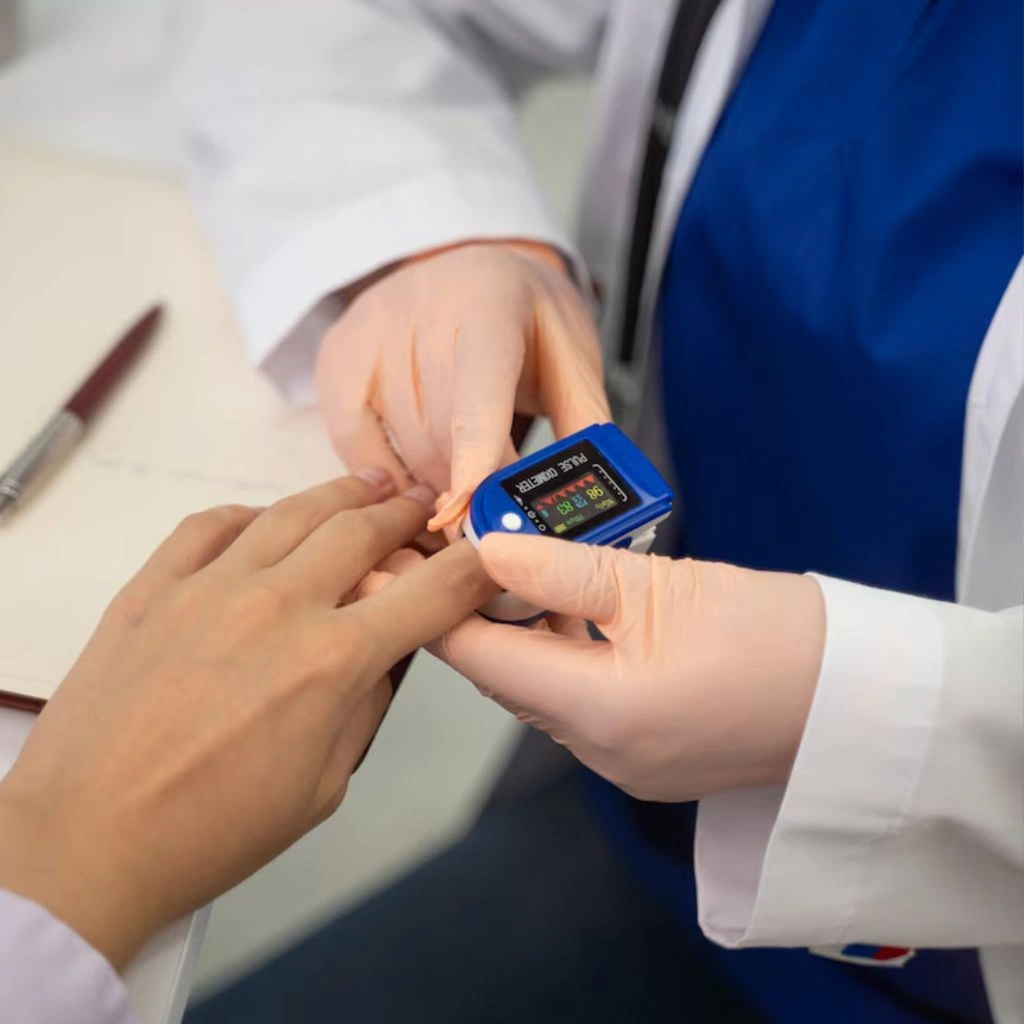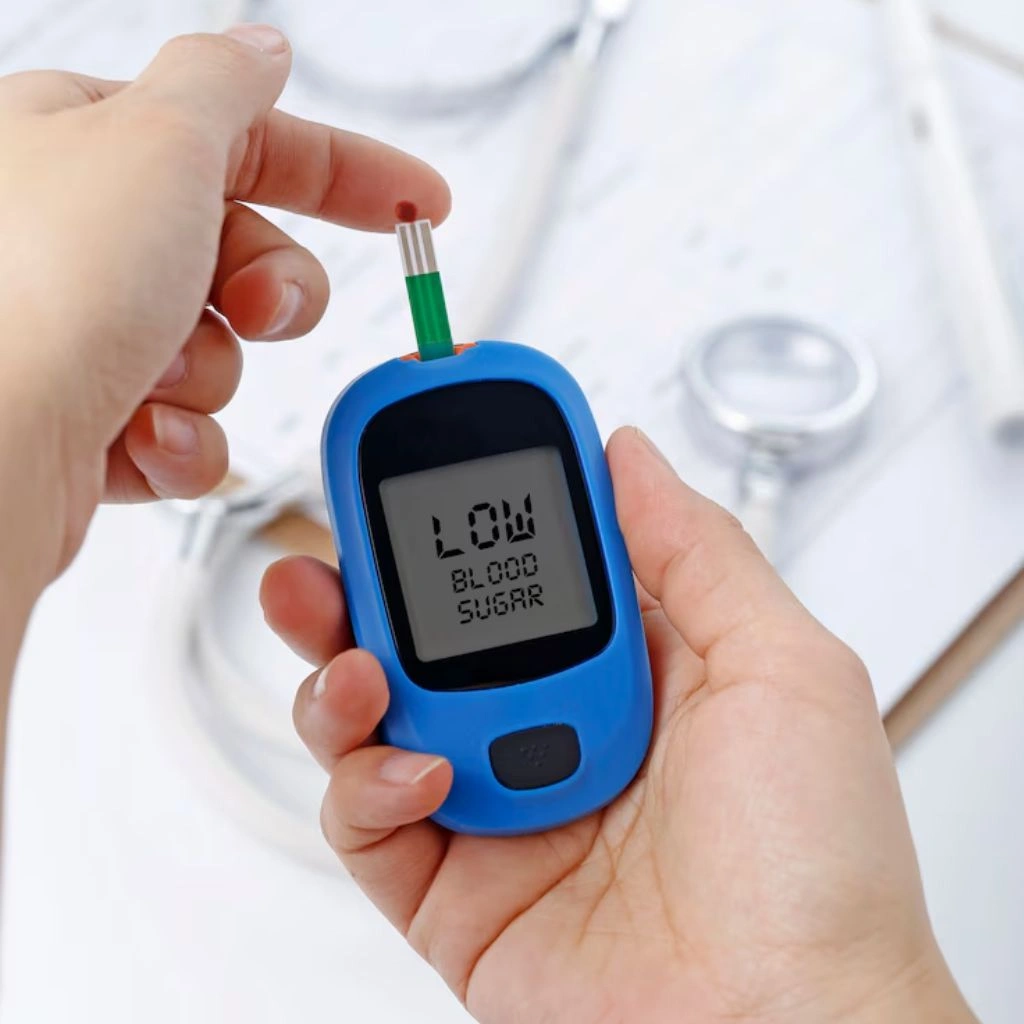
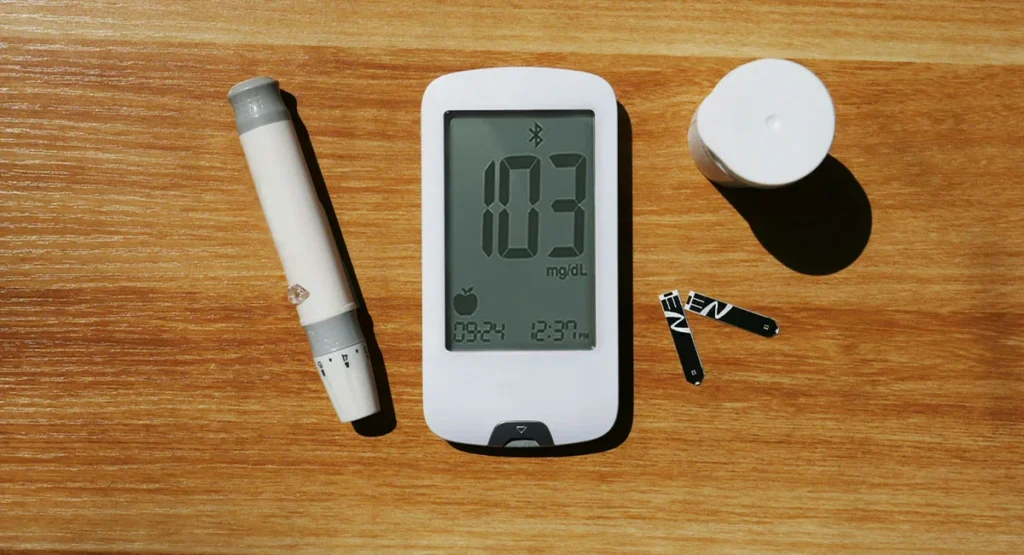
Diabetes is one of the fastest-growing chronic diseases globally, affecting millions, including a significant portion of the Pakistani population. It is estimated that over 7 million people in Pakistan suffer from diabetes, with the number continuing to rise due to lifestyle changes and dietary habits. As diabetes care and management becomes more complex, healthcare providers are turning to digital tools to streamline operations and significantly improve patient outcomes. Enter digital tools — technology that can enhance patient care, improve diagnosis, and optimize treatment plans.
In this article, we will explore how digital tools can transform diabetes care and management, providing both healthcare professionals and patients with effective strategies for better disease management. We’ll cover everything from mobile apps that track blood glucose levels to advanced AI-powered tools that predict potential complications, making diabetes management more personalized and proactive.
By the end, you’ll understand how to integrate digital tools into your practice or daily routine, boosting both efficiency and patient satisfaction. Let’s dive into the solutions that are revolutionizing diabetes care today.
How Are Digital Tools Transforming Diabetes Care and Management?
Diabetes management requires constant monitoring of blood sugar levels, medication adherence, diet, and physical activity. Traditional methods of managing these aspects often rely on patient self-reporting, which can lead to inaccuracies and delays in adjustments to treatment. However, digital tools offer real-time tracking and feedback, enabling both patients and healthcare providers to monitor diabetes more effectively.
Pro Tip: Studies show that patients who use diabetes management apps report better adherence to treatment and experience improved outcomes. These apps often include reminders for medication and insulin, real-time glucose monitoring, and data analytics to track patterns over time.
The Role of Mobile Applications in Diabetes Care
Mobile applications have made diabetes care more accessible and user-friendly. Apps like MySugr, Glucose Buddy, and OneTouch Reveal allow users to input data on their blood sugar levels, meals, medications, and physical activities. Some apps even integrate with wearable devices, giving patients and their healthcare providers continuous updates on their health status.
These apps often include features such as:
- Blood sugar tracking: Automatic logging of glucose levels and meal information.
- Medication reminders: Notifications to ensure medication is taken on time.
- Reports and analytics: Easy-to-understand graphs that summarize trends, making it simpler for patients and doctors to make decisions.
Expert Insight: Dr. Sarah Khan, an endocrinologist, states, “Mobile apps not only streamline patient care but also provide valuable data for healthcare providers. They allow for more personalized and dynamic treatment plans.”
Wearable Technology for Real-Time Monitoring
Wearables, such as continuous glucose monitors (CGMs) and fitness trackers, have revolutionized diabetes care by offering real-time data collection. These devices can continuously monitor blood sugar levels, detect spikes or drops in real time, and alert users before problems become critical.
Example Case Study: A study conducted in Pakistan demonstrated that the use of continuous glucose monitors in type 1 diabetic patients improved their glucose control and reduced the frequency of hypo- and hyperglycemic events. These devices provide more accurate readings compared to traditional finger-prick methods, which can be inconvenient for patients.
Pro Tip: Patients can pair their wearables with diabetes apps, enabling healthcare providers to access up-to-date patient data remotely, leading to quicker interventions and better management.
Artificial Intelligence and Predictive Analytics in Diabetes Care
Artificial Intelligence (AI) is beginning to play a crucial role in predicting and managing diabetes. By analyzing large datasets, AI tools can predict trends in a patient’s health, such as the likelihood of developing complications like diabetic retinopathy or kidney disease. These tools can even suggest personalized adjustments to medications and lifestyle changes based on the patient’s unique health data.
For instance, AI-powered platforms like IBM Watson Health analyze medical records and lifestyle factors to identify patients at risk of developing complications. Early intervention strategies are then implemented, reducing long-term healthcare costs and improving patient outcomes.
Expert Insight: Dr. Ahmed, a healthcare AI researcher, explains, “AI’s ability to learn from vast datasets means it can predict patterns in a patient’s disease progression with remarkable accuracy. This makes it an invaluable tool for preventive care.”
Virtual Care and Telemedicine for Diabetes Management
Telemedicine platforms are another growing area of digital healthcare. For patients living in rural or underserved areas of Pakistan, access to specialists can be a challenge. Telemedicine allows diabetes patients to consult healthcare providers remotely, receive prescriptions, and discuss their treatment plans, all without leaving their homes.
This not only saves time for both the patient and the doctor but also ensures that even those with limited access to healthcare facilities can receive consistent care. Some platforms even allow real-time sharing of blood glucose data, enabling doctors to make timely adjustments to treatment plans.
Pro Tip: Integrating telemedicine with other digital health tools, such as diabetes management apps, can create a fully remote care model. This is particularly useful during the COVID-19 pandemic or for patients with mobility issues.
Digital Diet and Lifestyle Management Tools
Managing diet and physical activity is a critical component of diabetes care. Digital tools like diet tracking apps (e.g., MyFitnessPal) and exercise trackers (e.g., Fitbit, Apple Watch) help patients monitor their caloric intake and physical activity levels, which are essential for maintaining healthy blood sugar levels.
For example, some digital tools allow users to scan food barcodes and track macronutrients, making it easier to adhere to specific diet plans designed for diabetes management. Others send reminders to engage in physical activity, helping patients stay on track with their exercise goals.
Example Case Study: A study on diabetic patients in Karachi showed that those using digital tools to track their diet and exercise had a 15% improvement in glycemic control over six months compared to those who managed their diabetes without digital tools.
Overcoming Barriers to Digital Tool Adoption in Pakistan
While digital tools hold great promise for improving diabetes management, their adoption in Pakistan faces several challenges. These include:
- Lack of digital literacy: Many patients, particularly in rural areas, may not be familiar with using smartphones or apps.
- Internet access: Reliable internet is necessary for the full functionality of many digital tools, and connectivity issues remain a barrier in some areas.
- Cost: High-end wearables and continuous glucose monitors may not be affordable for many patients.
Addressing these challenges requires tailored solutions, such as affordable mobile applications, localized digital health education programs, and partnerships with local healthcare providers to improve access.
Conclusion:
The integration of digital tools into diabetes care has the potential to revolutionize management strategies, making it more personalized, efficient, and accessible. From mobile apps and wearables to AI-driven predictions and telemedicine, these technologies empower both patients and healthcare providers to take a proactive approach to diabetes management.
While there are barriers to widespread adoption in Pakistan, such as digital literacy and cost, the long-term benefits of improved patient outcomes and reduced healthcare costs make these digital tools a worthwhile investment. By embracing these tools, we can move towards a future where diabetes care is not only more effective but also more accessible to all.
Ready to Upgrade Your Clinic?
Make your clinic smart, fast, and paperless with SehatPro Clinic Management Software.
Call or WhatsApp for Free Demo & ConsultationFAQ Section
How do mobile apps help in managing diabetes?
Mobile apps help by tracking blood glucose levels, medications, meals, and physical activities. They provide real-time feedback and reminders, making it easier for patients to adhere to their treatment plans.
What are continuous glucose monitors, and how do they work?
Continuous glucose monitors (CGMs) are wearable devices that continuously measure glucose levels throughout the day. They send data to a smartphone app, allowing for real-time monitoring and intervention when necessary.
Can AI predict diabetes complications?
Yes, AI tools analyze patient data to predict potential complications, such as diabetic retinopathy or kidney disease, and suggest preventive measures to reduce the risk of these complications.
How does telemedicine improve diabetes care in remote areas?
Telemedicine enables patients in remote areas to consult healthcare providers without traveling. It also allows for continuous monitoring by sharing glucose levels and other health data in real time.
Are digital tools affordable for all diabetic patients in Pakistan?
While some digital tools like apps are affordable, high-end devices like continuous glucose monitors can be costly. However, with advancements in technology, there is hope for more affordable solutions in the future.
What is the future of digital healthcare in Pakistan for diabetes care?
With increasing smartphone penetration and government initiatives, digital healthcare for diabetes care is expected to grow rapidly, improving accessibility and outcomes for patients across the country.