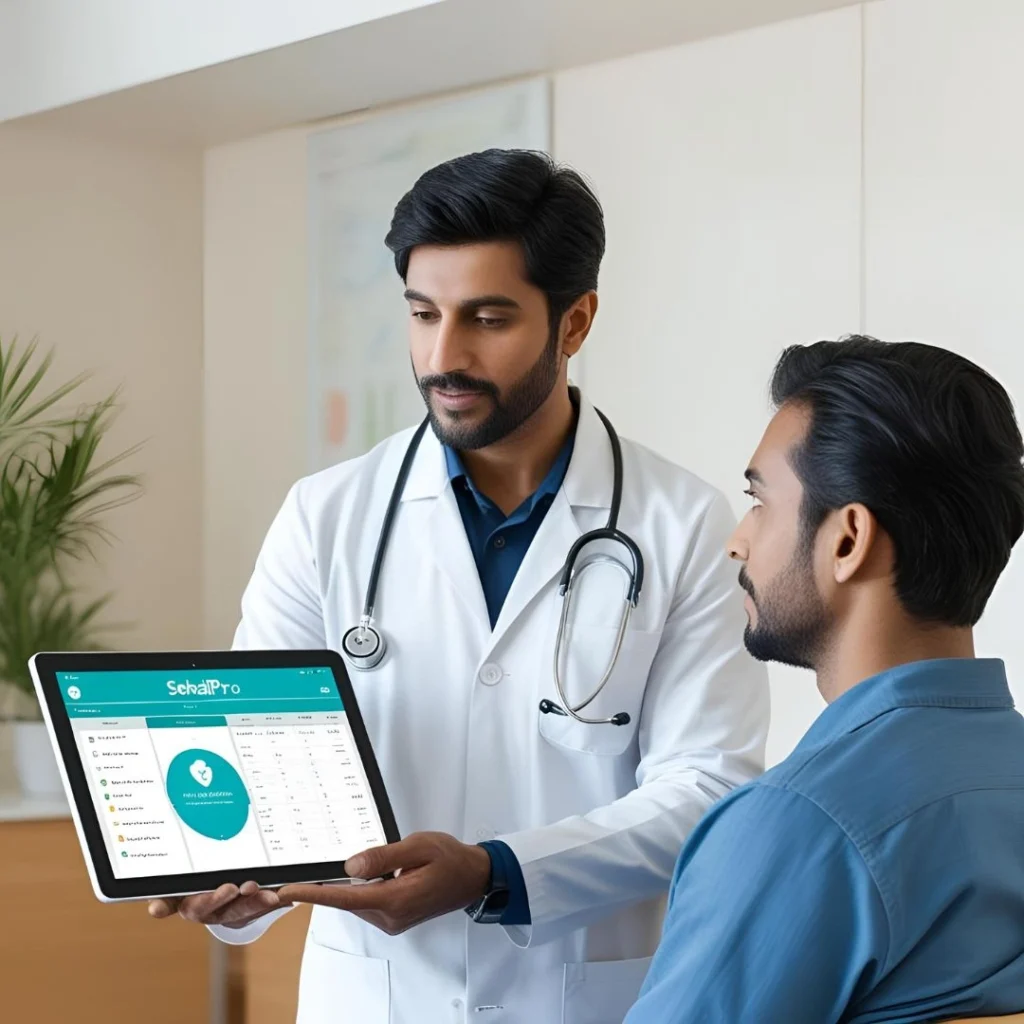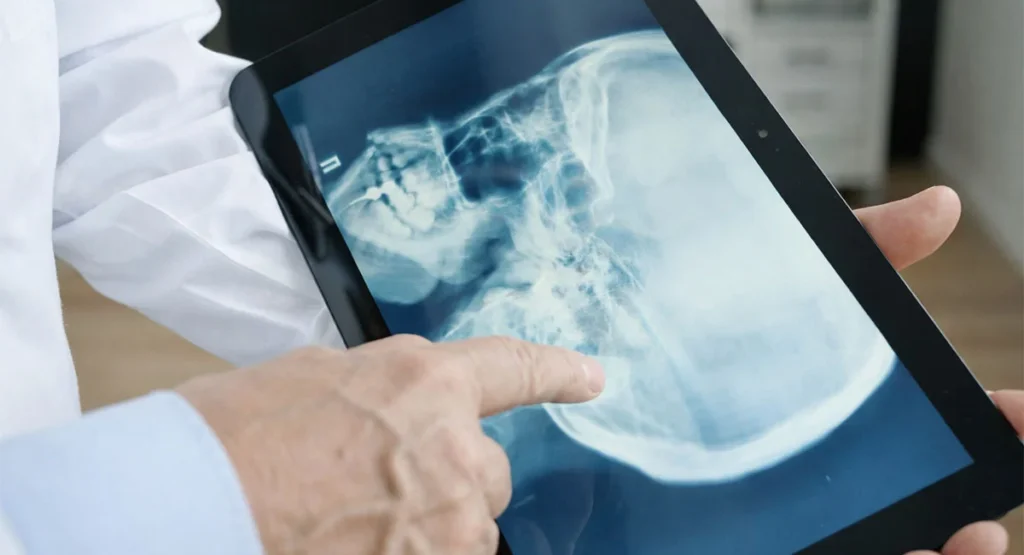

In today’s fast-paced world, healthcare systems are often stretched thin, and traditional methods of disease prevention can no longer meet the growing demands of modern populations. But what if there was a way to prevent diseases before they even start? The emergence of digital healthcare monitoring has revolutionized the way we approach health and wellness. Imagine a system that can track your health data in real-time, predict potential risks, and even guide you toward better lifestyle choices—well, that’s exactly what digital health systems offer.
With the power of wearable devices, AI, and real-time data, digital healthcare monitoring is not just a trend—it’s the future. In Pakistan, where healthcare challenges such as limited access, long wait times, and lack of resources are prevalent, embracing these technologies could save lives and reduce long-term healthcare costs. This article explores how digital health monitoring is transforming disease prevention and why Pakistani clinics need to incorporate these systems into their operations.
What is Digital Healthcare Monitoring?
Digital healthcare monitoring refers to the use of technology to continuously track and manage patients‘ health data. Through a combination of devices like wearables, mobile apps, and digital platforms, healthcare providers can gather real-time data about a patient’s vitals, such as heart rate, blood pressure, glucose levels, and more. These systems also include predictive algorithms powered by AI that can identify potential risks, allowing for timely intervention.
Why Is It Important for Disease Prevention?
Digital healthcare monitoring isn’t just about collecting data; it’s about using thatdata to prevent diseases before they occur. Early detection, personalized recommendations, and continuous monitoring can significantly reduce the risk of chronic illnesses, such as diabetes, hypertension, and heart disease. In Pakistan, where healthcare infrastructure is still developing, digital monitoring can make preventive healthcare more accessible, efficient, and scalable.

How Does Digital Healthcare Monitoring Work?
1. Real-Time Data Collection
Wearable devices and mobile health apps continuously collect health data from patients, including but not limited to blood pressure, oxygen levels, heart rate, and activity levels. This data is then transmitted to healthcare providers or integrated platforms where it can be analyzed.
2. Data Analysis Using AI and Machine Learning
Once data is collected, advanced algorithms powered by artificial intelligence (AI) analyze the information for patterns, anomalies, and trends. The system can then identify health risks such as early signs of heart disease, stroke, or diabetes, allowing doctors to take preventive measures much earlier than traditional methods.
3. Personalized Recommendations
Based on the analyzed data, patients receive personalized health advice. This could include lifestyle changes, medication adjustments, or the scheduling of preventive tests. This type of proactive care is more effective in preventing diseases and reducing long-term healthcare costs.
Pro Tip: Regular use of a health monitoring app not only tracks real-time data but also sets up automatic alerts for any concerning changes, ensuring immediate action is taken.
Key Benefits of Digital Healthcare Monitoring
Early Disease Detection
The primary benefit of digital healthcare monitoring is its ability to detect diseases at an early stage. For example, wearable devices that track heart rate variability can help identify irregular heartbeats before they lead to more severe conditions, such as arrhythmias or heart failure.
Cost-Effective Healthcare
Digital health systems can significantly reduce the cost of healthcare by enabling earlier diagnosis and preventing the need for expensive treatments. By catching diseases early, patients can avoid hospitalizations, surgeries, and long-term care, ultimately saving money.
Improved Patient Engagement
Patients who actively monitor their health are more likely to engage in preventive care. Digital platforms often provide users with actionable insights and tips for better managing their health, which can lead to better adherence to treatment plans and healthier lifestyle choices.
Challenges of Implementing Digital Healthcare Monitoring in Pakistan
While the potential benefits are clear, implementing digital healthcare monitoring in Pakistan comes with its own set of challenges. These include:
- Lack of Digital Infrastructure: Many clinics and hospitals in Pakistan still rely on paper-based systems, making it difficult to integrate digital health tools.
- Limited Internet Access in Rural Areas: While urban centers may benefit from digital healthcare monitoring, rural areas may struggle with connectivity issues, hindering the widespread use of these technologies.
- Awareness and Training: Both healthcare providers and patients need to be educated on how to use digital health tools effectively.
Real-World Examples of Digital Healthcare Monitoring in Pakistan
Case Study 1: The Use of mHealth in Rural Areas
One of the pioneering projects in Pakistan is the use of mobile health (mHealth) solutions for rural communities. Organizations like Sehat Sahulat Program use mobile platforms to provide health information and consultations to underserved areas. By expanding this service to include health monitoring, Pakistan could ensure that more people have access to preventive care.
Case Study 2: Cardiovascular Monitoring with Wearables
A clinic in Lahore implemented wearable heart rate monitors as part of a pilot program for patients with a history of heart disease. The clinic used this real-time data to detect arrhythmias early, reducing the number of emergency visits and hospital admissions.
Case Study 3: Diabetes Monitoring through Apps
Patients with diabetes in Karachi have benefitted from the use of mobile apps that track glucose levels and diet. The app sends real-time updates to healthcare providers, allowing them to adjust treatment plans promptly and prevent complications from uncontrolled blood sugar levels.
How Can Pakistani Clinics Adopt Digital Healthcare Monitoring?
1. Partner with Technology Providers
Clinics should partner with companies that offer wearable devices, mobile health apps, and digital platforms to integrate these tools into their healthcare services.
2. Invest in Training and Education
Healthcare providers must be trained to use digital healthcare monitoring systems effectively. Regular workshops and training programs will help them understand how to interpret data and take appropriate actions.
3. Ensure Data Security
With digital healthcare comes the responsibility of protecting patient data. Clinics must comply with local data protection laws and invest in secure platforms to store and manage health data.
Conclusion:
Digital healthcare monitoring is transforming how we prevent diseases and manage health. By embracing this technology, Pakistani clinics can provide more proactive, personalized, and affordable healthcare solutions. However, widespread adoption will require overcoming challenges related to infrastructure, awareness, and security. The future of healthcare in Pakistan lies in the ability to use real-time data to prevent illnesses before they even start.
Call to Action: As a healthcare provider or clinic owner in Pakistan, it’s time to start exploring the benefits of digital healthcare monitoring. Implementing these tools will not only help you stay ahead in providing better care but also allow you to contribute to a healthier future for your patients.
Ready to Upgrade Your Clinic?
Make your clinic smart, fast, and paperless with SehatPro Clinic Management Software.
Call or WhatsApp for Free Demo & ConsultationFAQs
-
What is digital healthcare monitoring?
Digital healthcare monitoring refers to the use of technology such as wearables and mobile apps to track and monitor a patient’s health data in real-time.
-
How does digital healthcare prevent diseases?
By continuously monitoring vital health metrics, digital systems can detect early signs of disease, allowing for timely interventions and preventive care.
-
Is digital healthcare monitoring cost-effective?
Yes, by preventing severe health conditions and reducing the need for expensive treatments, digital healthcare can lower overall healthcare costs.
-
What are the challenges of digital healthcare in Pakistan?
Challenges include lack of infrastructure, limited internet access in rural areas, and the need for training healthcare providers.
-
Can digital health tools be used in rural Pakistan?
Yes, mHealth solutions and other digital tools can be used to provide healthcare services in rural areas, though internet connectivity remains a key barrier.