
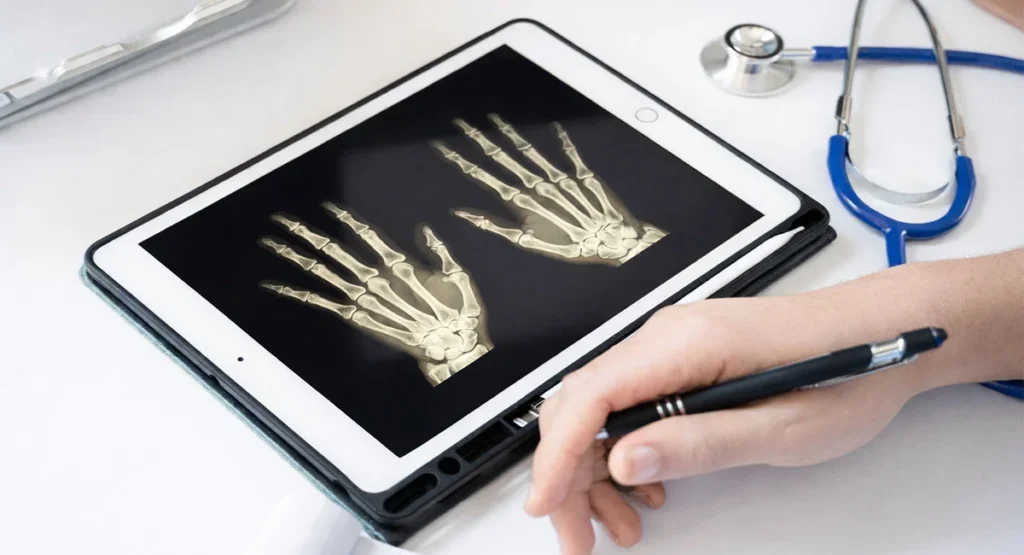
In the fast-paced world of healthcare, early disease detection can make the difference between life and death. Imagine a patient arriving at a clinic with early signs of a chronic illness that could be easily managed if caught in time. What if these symptoms were detected at the first stage, potentially preventing years of suffering?
This is where digital health systems come into play, transforming the way healthcare is delivered by enabling real-time monitoring, diagnosis, and treatment recommendations. In this article, we’ll explore how AI in healthcare is revolutionizing early disease detection in clinics across Pakistan and the wider global healthcare landscape.
The Importance of Early Disease Detection
Early detection of diseases like cancer, diabetes, and heart disease is crucial for improving patient outcomes and lowering healthcare costs. With digital health systems integrating Artificial Intelligence (AI), healthcare professionals can identify conditions before they become life-threatening. In Pakistan, where the healthcare system faces significant challenges, the integration of digital health solutions could be a game-changer for patient care.
What Are Digital Health Systems, and How Do They Work?
What are Digital Health Systems?
Digital health systems are tools and technologies used in healthcare to collect, analyze, and manage health data digitally. These systems encompass a range of technologies, including electronic health records (EHR), telemedicine, wearable devices, and health apps, all working together to improve patient care and streamline healthcare management.
In Pakistan, digital health solutions can help tackle significant challenges such as inadequate healthcare infrastructure, doctor shortages, and the disparity between urban and rural healthcare access. By adopting these systems, clinics can provide better care to a larger number of patients with fewer resources.

AI’s Role in Digital Health Systems
AI plays a pivotal role in modern healthcare. When integrated into digital health systems, AI enhances the speed and accuracy of disease detection. AI algorithms analyze vast amounts of data, including medical imaging, genetic information, and patient records, to identify early signs of diseases.
For instance, AI-powered diagnostic tools can spot early-stage cancers in radiology scans with accuracy that rivals human experts. This is particularly vital in Pakistan, where the availability of specialized healthcare professionals is limited, especially in rural areas.
How Can Digital Health Systems Improve Early Disease Detection?
What Are the Key Technologies in Digital Health Systems?
Several technologies within digital health systems play a critical role in early disease detection:
- Wearable Devices: Devices like smartwatches, fitness trackers, and medical-grade wearables monitor health metrics such as heart rate, blood pressure, glucose levels, and oxygen saturation. These devices continuously collect data and send it to healthcare providers, enabling doctors to identify potential issues before they escalate.
- Telemedicine: Telemedicine platforms allow patients to consult with healthcare providers remotely. These systems can include AI-driven tools for symptom checking and health monitoring, making it easier for patients in rural or underserved areas to receive early diagnosis and treatment.
- AI-Powered Diagnostic Tools: AI algorithms analyze medical data, such as CT scans and X-rays, to detect signs of diseases like cancer, cardiovascular issues, and neurological disorders at an early stage.
- EHR and Big Data Analytics: Electronic Health Records (EHR) store patient data digitally, enabling doctors to track changes in a patient’s health over time. Big data analytics can process this data and help detect patterns that might indicate the early stages of diseases.
Pro Tip:
Investing in AI-driven diagnostic tools can significantly enhance the diagnostic capabilities of clinics in Pakistan, ensuring early disease detection while improving healthcare delivery.
Real-World Case Studies of Early Disease Detection with Digital Health Systems
How Are Digital Health Systems Being Used for Early Detection in Pakistan?
In Pakistan, digital health systems are beginning to play a crucial role in addressing the country’s healthcare challenges. Several clinics and hospitals have started integrating AI-based systems for early detection. For example, the Indus Hospital in Karachi has implemented an AI-driven diagnostic tool that helps detect early-stage breast cancer from mammogram images. This technology has resulted in improved early-stage detection and a reduction in unnecessary biopsies.
Additionally, wearable health technology is being used to monitor chronic diseases like diabetes. Careem Health has partnered with digital health providers to offer telemedicine consultations and AI-based disease monitoring tools, helping patients manage their condition more effectively and enabling early intervention.
Case Study: AI and Cardiovascular Disease Detection in Lahore
The Punjab Institute of Cardiology in Lahore is using AI-powered tools to monitor patients at risk for cardiovascular diseases. AI algorithms analyze ECGs and other health data to predict heart attacks before they happen. Early detection has helped doctors intervene earlier, saving lives and reducing hospital admissions.
What Are the Benefits of AI in Healthcare for Early Disease Detection?
How AI Enhances Early Detection
AI can analyze data at speeds and accuracies far beyond human capability. In early disease detection, this means:
- Faster Diagnosis: AI can scan medical images or patient data in a fraction of the time it takes human doctors, leading to faster diagnosis.
- Increased Accuracy: AI systems are trained to detect even the most subtle patterns, which can be crucial in identifying diseases at their earliest stages. For instance, in cancer detection, AI can identify tumors that are too small for the human eye to see.
- Predictive Analytics: AI can analyze patterns over time to predict the likelihood of a patient developing certain conditions, such as diabetes or hypertension. This allows for preventative measures to be put in place.
Pro Tip:
Clinics in Pakistan can significantly enhance patient outcomes by leveraging AI for predictive analytics, helping to prevent diseases rather than simply treating them.
What Are the Challenges of Implementing Digital Health Systems in Pakistan?
Challenges Faced in Implementing Digital Health in Pakistan
Despite the significant potential of digital health systems, several challenges hinder their widespread adoption in Pakistan:
- Infrastructure Limitations: Many clinics in rural areas lack the technological infrastructure needed to implement advanced digital health systems, such as reliable internet access and modern computing devices.
- Data Privacy Concerns: Patient data security is a critical concern. Pakistan’s healthcare regulations are still catching up to the digital age, and there is a need for robust data protection laws to ensure that sensitive health information is safeguarded.
- Training and Expertise: Healthcare providers may not have the training needed to effectively use digital health tools. Implementing training programs and providing ongoing support will be essential for the success of these systems.
Pro Tip:
To overcome these barriers, healthcare organizations should collaborate with tech firms to improve infrastructure and provide necessary training for medical professionals.
How Can Clinics in Pakistan Start Implementing Digital Health Systems?
Step-by-Step Guide to Implementing Digital Health Systems in Clinics
- Evaluate Current Needs: Clinics should assess their existing infrastructure and identify areas where digital health tools can have the most impact.
- Choose Scalable Solutions: Start with scalable solutions that integrate easily into existing workflows. Wearable devices and telemedicine platforms are often more cost-effective and easier to implement.
- Partner with Tech Providers: Collaborating with local or international tech firms can provide the necessary support and infrastructure to implement AI-driven diagnostic tools and health monitoring systems.
- Focus on Training: Invest in training programs to ensure that staff are comfortable using digital health systems and AI-powered tools.
- Ensure Data Security: Implement robust security measures to protect patient data, including encryption and compliance with relevant privacy laws.
Conclusion:
Digital health systems, when combined with AI technologies, have the potential to transform the way diseases are detected and treated in Pakistan. By enabling early disease detection, these systems not only improve patient outcomes but also alleviate pressure on healthcare providers. As the healthcare landscape in Pakistan continues to evolve, adopting digital health solutions is no longer a luxury, but a necessity for clinics looking to stay ahead of the curve.
Call to Action:
If you’re a clinic owner or healthcare professional in Pakistan, now is the time to explore digital health systems for your practice. Start by evaluating your current technology infrastructure and consider integrating AI-driven tools to enhance your early disease detection capabilities. The future of healthcare is digital, and the sooner you adapt, the better equipped you’ll be to provide world-class care to your patients.
Ready to Upgrade Your Clinic?
Make your clinic smart, fast, and paperless with SehatPro Clinic Management Software.
Call or WhatsApp for Free Demo & ConsultationFAQ Section
What is a digital health system?
A digital health system refers to the use of technology in healthcare to manage and process patient data, improve healthcare services, and enable remote monitoring. It includes tools like EHR, telemedicine, wearables, and AI-powered diagnostic systems.
How does AI help in disease detection?
AI helps by analyzing vast amounts of medical data, such as imaging, lab results, and patient histories, to detect patterns that human doctors might miss. It enables quicker, more accurate diagnoses, particularly for complex diseases like cancer.
What are the benefits of digital health in Pakistan?
Digital health systems can improve access to healthcare, especially in rural areas, by providing remote consultations and monitoring. They can also enhance early disease detection, improve diagnostic accuracy, and reduce healthcare costs.
What are the main challenges of implementing digital health systems in Pakistan?
Challenges include limited infrastructure, data privacy concerns, and a lack of trained healthcare professionals. Overcoming these barriers requires investment in technology, education, and regulatory frameworks.
How can AI improve early disease detection in Pakistan?
AI can analyze medical images and patient data to detect diseases such as cancer, heart disease, and diabetes at their earliest stages, enabling faster treatment and better outcomes for patients.
Are digital health systems expensive to implement?
While the initial investment in digital health systems may be high, the long-term benefits, including cost savings from earlier disease detection and improved efficiency, make it a worthwhile investment for clinics in Pakistan.
Can digital health systems work in rural areas of Pakistan?
Yes, with the right infrastructure and internet connectivity, digital health systems can significantly improve healthcare access in rural areas by enabling telemedicine consultations and remote patient monitoring.