Are you tired of long waiting times at clinics or struggling with inefficient medical records? You’re not alone. Many Pakistanis are facing these frustrations, but the rise of Digital Healthcare Pakistan is bringing a much-needed change. With smart solutions like SehatPro, there’s finally hope for a more organized and patient-friendly experience.
Digital healthcare is emerging as a game-changer, transforming patient care in Pakistan and improving accessibility, efficiency, and convenience. With the increasing adoption of technology, healthcare providers and patients alike are seeing tremendous benefits—from telemedicine consultations to electronic health records (EHR). This article delves into how digital healthcare is changing the landscape of patient care in Pakistan and what you can do to take advantage of these innovations.
What You’ll Learn:
- The role of digital healthcare in transforming patient care in Pakistan
- Key technologies driving the change
- Real-world examples and statistics showcasing the effectiveness
- How businesses and healthcare professionals can leverage digital tools for improved care
The Rise of Digital Healthcare Pakistan
What is Digital Healthcare and Why Does it Matter?
Digital healthcare refers to the use of technology to provide healthcare services, manage patient information, and improve the overall healthcare experience. In Pakistan, a country where access to quality healthcare is a challenge in many regions, digital healthcare is proving to be a beacon of hope. It includes electronic health records (EHRs), telemedicine, mobile health apps, and healthcare management software.
The Urgency for Digital Healthcare in Pakistan
Pakistan faces numerous challenges in its healthcare system, such as a lack of healthcare infrastructure, an understaffed workforce, and long patient wait times. According to the World Health Organization (WHO), over 50% of Pakistan’s population lives in rural areas where healthcare services are either scarce or non-existent. This is where digital healthcare plays a crucial role in bridging the gap.
Pro Tip: Businesses, especially in the healthcare sector, can take advantage of telemedicine and EHR systems to expand their services to underserved regions of Pakistan. This can significantly reduce operational costs while improving patient care.

How is Digital Healthcare Helping Improve Patient Care in Pakistan?
Telemedicine and Remote Consultations
Telemedicine is one of the key pillars of digital healthcare. By allowing doctors to remotely consult with patients, telemedicine eliminates geographic barriers and provides access to specialists even in remote areas. Through mobile apps or video calls, patients can receive timely consultations without needing to travel long distances.
For instance, Sehat Kahani, a telemedicine platform, connects rural patients with qualified doctors via mobile phones, helping over 1.5 million people in Pakistan access healthcare services.
Statistic: According to Pakistan Telecommunication Authority (PTA), the number of telemedicine consultations in Pakistan increased by over 40% in 2023.
Pro Tip: If you’re a healthcare provider or clinic, adopting telemedicine tools can be a cost-effective way to expand your services and increase patient engagement.
The Role of Electronic Health Records (EHR) in Revolutionizing Patient Care
What Are EHRs and Why Do They Matter?
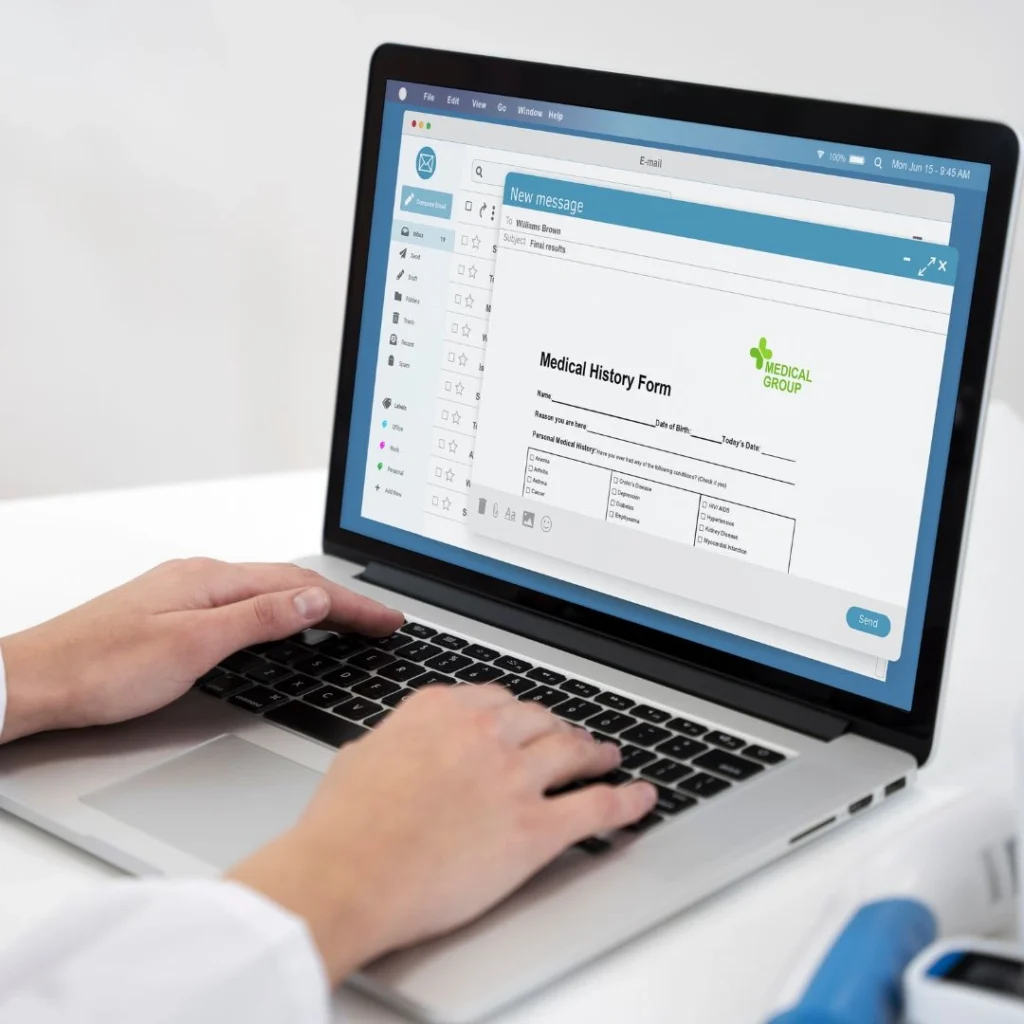
Electronic Health Records (EHR) are digital versions of a patient’s medical history, including diagnoses, treatments, medications, and other vital health information. By digitizing these records, healthcare providers can easily access and update patient data, ensuring that information is accurate and up-to-date.
In Pakistan, HealthTec is one example of a company that offers EHR solutions for local clinics, which streamlines patient care by improving data accuracy and reducing errors. EHRs can also facilitate better coordination between healthcare providers, ensuring that patients receive holistic care.
Pro Tip: Investing in EHR systems enhances the operational efficiency of your clinic or hospital while improving the accuracy of patient records and reducing paperwork.
The Benefits of EHR in Pakistan:
- Improved efficiency: Doctors can access patient records instantly, saving time and improving decision-making.
- Better patient outcomes: With easy access to medical history, doctors can provide more personalized and informed treatment plans.
- Reduced costs: Less paperwork and fewer medical errors result in reduced operational costs.
Key Technologies Powering Digital Healthcare in Pakistan
Mobile Health Applications (mHealth)
Mobile health applications are transforming how healthcare services are delivered in Pakistan. These apps offer a range of features, from appointment scheduling and medication reminders to fitness tracking and symptom checking.
mHealth Example: DoctHers is an app that enables patients to consult with doctors, book appointments, and access their medical records—all from their mobile phones.
Pro Tip: If you run a clinic or a healthcare business, consider building an app or integrating with existing ones to streamline patient management and enhance engagement.
Artificial Intelligence (AI) and Machine Learning in Healthcare
AI and machine learning are becoming increasingly prevalent in healthcare, from diagnosing diseases to predicting patient outcomes. These technologies help in analyzing large amounts of data and identifying patterns that human doctors might miss.
For instance, Shifa International Hospital in Islamabad uses AI-powered diagnostic tools to help doctors identify potential health issues early, improving the chances of successful treatment.
Statistic: According to a study by Accenture, AI applications in healthcare are expected to save the global healthcare industry $150 billion annually by 2026.
Pro Tip: Investing in AI technology can help your healthcare business deliver more accurate diagnoses, reduce costs, and improve patient satisfaction.
Cloud Computing and Data Security
Cloud computing is making it easier for healthcare providers in Pakistan to store, share, and access patient data securely. Cloud-based solutions ensure that patient records are safely stored and can be accessed by authorized personnel whenever needed.
Pro Tip: Ensure that your healthcare system complies with local regulations related to data security, such as Pakistan’s Data Protection Bill, to protect patient privacy and avoid legal consequences.
How Businesses and Clinics Can Leverage Digital Healthcare Solutions
Streamlining Operations and Reducing Costs
Digital healthcare solutions, such as telemedicine and EHR systems, allow healthcare providers to streamline their operations, reduce administrative tasks, and lower costs. For instance, clinics can replace paper records with digital systems, improving accuracy and reducing administrative costs.
Enhancing Patient Engagement and Satisfaction
With the help of mobile health apps, patients can stay more engaged in their healthcare journey. From reminders to follow-up appointments to educational content, mobile apps can foster better communication between healthcare providers and patients.
Pro Tip: If you’re running a clinic or hospital, consider implementing an app that enables easy communication between doctors and patients to enhance patient satisfaction and increase retention rates.
Conclusion
In conclusion, digital healthcare is rapidly transforming the patient care landscape in Pakistan. With innovations like telemedicine, EHRs, and AI, patients now have more access to healthcare services, while healthcare providers are able to streamline their operations and improve patient outcomes. For businesses in the healthcare sector, embracing these technologies is no longer an option—it’s a necessity.
By adopting digital healthcare solutions, clinics, hospitals, and startups can unlock significant improvements in patient care and operational efficiency. The future of healthcare in Pakistan is digital, and now is the time to get on board.
Next Steps:
- Evaluate the digital healthcare tools available for your clinic or healthcare business.
- Invest in a telemedicine platform, EHR system, or mobile app to streamline patient care.
- Stay up-to-date with the latest digital healthcare innovations to remain competitive in the evolving market.
Ready to Upgrade Your Clinic?
Make your clinic smart, fast, and paperless with SehatPro Clinic Management Software.
Call or WhatsApp for Free Demo & ConsultationFAQ Section
How does digital healthcare benefit Pakistan’s rural population?
Digital healthcare, especially telemedicine, allows patients in rural areas to consult with doctors remotely, eliminating the need for long-distance travel. This increases access to quality care and reduces healthcare disparities.
What are the key challenges of implementing digital healthcare in Pakistan?
Challenges include limited internet access, data security concerns, and lack of technological infrastructure in some regions. However, government initiatives and private sector investments are addressing these issues.
How can healthcare startups in Pakistan leverage digital tools?
Startups can leverage telemedicine, mobile apps, and EHR systems to offer affordable, accessible, and efficient healthcare services. These tools also help businesses reduce operational costs and enhance patient engagement.
Is digital healthcare expensive for clinics in Pakistan?
While initial investments in digital tools like EHR systems may be costly, they can ultimately reduce operational expenses, improve efficiency, and increase patient satisfaction—leading to long-term savings.
What are some successful examples of digital healthcare in Pakistan?
Platforms like Sehat Kahani and DoctHers are successful examples of digital healthcare in Pakistan. They have improved access to healthcare services, especially in rural areas, by offering telemedicine consultations and mobile health services.
How does AI help doctors in Pakistan?
AI helps doctors by providing diagnostic tools, predicting patient outcomes, and identifying patterns in large datasets. This leads to more accurate diagnoses, faster treatments, and better patient outcomes.
How secure is digital healthcare data in Pakistan?
Data security is crucial in digital healthcare, and local regulations like the Data Protection Bill aim to safeguard patient information. Healthcare businesses must ensure compliance with these regulations to protect patient privacy and trust.