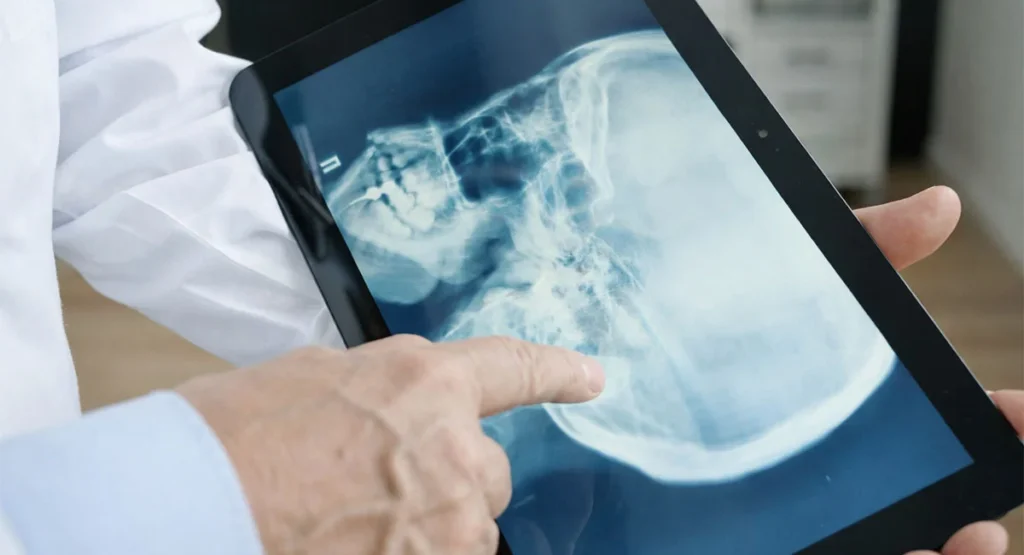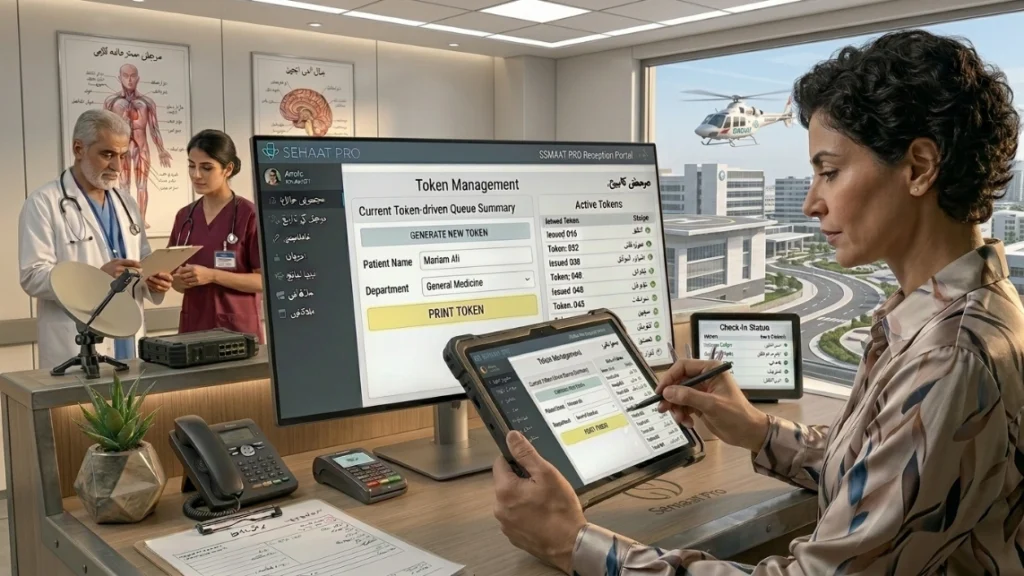

Are you struggling to manage your hormonal disorder effectively? Whether it’s thyroid problems, polycystic ovary syndrome (PCOS), or menopause, managing hormonal imbalances can be complex and overwhelming. But what if there was a way to simplify this process through digital healthcare? In this article, we will explore how digital healthcare solutions are revolutionizing hormonal disorder management and how they can make a significant difference in improving patient care, treatment outcomes, and overall well-being.
Hormonal disorders are common and often misunderstood, but with the right tools, people can live better, healthier lives. In the next sections, we will delve into how digital healthcare platforms can assist in managing these disorders effectively. You’ll gain insights into the power of digital health, the tools available, and real-world examples of success stories that show how technology is helping people regain control of their health.
What Are Hormonal Disorders and How Do They Impact Health?
Hormonal disorders occur when there’s an imbalance in the body’s hormone levels, leading to symptoms such as fatigue, weight gain, mood swings, and irregular periods. These imbalances can be caused by a variety of factors, including genetics, stress, diet, and lifestyle.
For example, PCOS is one of the most common hormonal disorders affecting women, characterized by irregular periods, excessive hair growth, and infertility. Similarly, conditions like hypothyroidism (low thyroid levels) or hyperthyroidism (high thyroid levels) can lead to a wide range of symptoms affecting both men and women.
These disorders not only disrupt daily life but can also have long-term health effects if left untreated. Digital healthcare solutions offer an innovative approach to monitor, diagnose, and manage these disorders in real-time.
How Can Digital Healthcare Help in Hormonal Disorder Management?
Digital healthcare solutions, including telemedicine, wearable devices, and AI-powered diagnostic tools, provide a comprehensive way to monitor hormonal levels and track symptoms. These solutions ensure timely interventions and personalized care, leading to better management of the condition.
- Telemedicine: Through virtual consultations with endocrinologists, patients can discuss their symptoms, treatment options, and receive prescriptions without needing to leave home. This is particularly beneficial for patients in rural or underserved areas.
- Wearable Devices: Devices such as smartwatches and continuous glucose monitors (CGM) can track vital signs, blood sugar levels, and even sleep patterns. These devices can provide real-time data that doctors use to fine-tune treatment plans for hormonal imbalances.
- AI-Powered Diagnostic Tools: With advancements in artificial intelligence, AI tools can now analyze patient data, predict potential hormonal imbalances, and recommend personalized treatment options. This not only speeds up the diagnosis but also makes the treatment process more efficient.
Pro Tips for Integrating Digital Healthcare into Your Hormonal Disorder Treatment Plan
- Track your symptoms daily: Use digital journals or apps to record symptoms such as mood swings, energy levels, and other physical symptoms. This data helps healthcare providers understand your condition better and recommend the right course of treatment.
- Opt for remote consultations: If you live in an area with limited access to specialists, telemedicine can bridge the gap. Choose platforms that provide access to licensed endocrinologists and gynecologists.
- Use wearable devices: Devices like Fitbit, Apple Watch, or Oura Ring can track essential data like sleep patterns, stress levels, and physical activity. These metrics provide insights that help doctors adjust treatment plans more effectively.
Real-World Case Studies: How Digital Healthcare Transformed Hormonal Disorder Management
- Case Study 1: PCOS Management in Rural Pakistan
A study conducted in rural Pakistan found that women with PCOS who used telemedicine consultations and wearable devices for tracking menstrual cycles and symptoms had a higher rate of successful management. They could easily access gynecologists and endocrinologists for regular check-ups and treatment adjustments, significantly improving their quality of life. - Case Study 2: Thyroid Disorder Monitoring via Wearables
In a 2024 pilot program in Karachi, patients with hypothyroidism used continuous temperature monitoring devices to track fluctuations in their body temperature—an important symptom of thyroid imbalance. This data was shared in real-time with healthcare providers, allowing them to adjust medications more accurately and prevent unnecessary emergency visits. - Case Study 3: AI-Powered Diagnostics for Menopause
A digital healthcare platform using AI-powered diagnostic tools helped women in menopause monitor and predict symptoms like hot flashes and irregular periods. AI was used to analyze symptom patterns, and the tool provided real-time insights that helped doctors provide tailored hormone replacement therapy (HRT) options. The results showed improved symptom control and satisfaction with treatment.
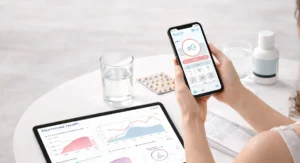
How to Choose the Right Digital Healthcare Solution for Hormonal Disorders?
Choosing the right digital healthcare solution depends on several factors, such as the specific hormonal disorder, the severity of the condition, and the level of care required. Here’s a checklist to guide your decision:
- Comprehensive Symptom Tracking: Choose platforms that allow daily symptom tracking, such as mood, energy levels, and other relevant signs.
- Data Integration with Healthcare Providers: Ensure the platform allows seamless integration with your healthcare provider for better management and real-time adjustments.
- User-Friendliness: The platform should be easy to use, with clear instructions for users who may not be tech-savvy.
- Affordable and Accessible: Consider platforms that offer affordable pricing and are accessible via smartphones or wearables.
Expert Insights: The Future of Digital Healthcare in Hormonal Disorder Management
The future of digital healthcare is bright, with continuous advancements in AI and machine learning, enabling faster and more accurate diagnoses. In the coming years, we expect more personalized care, where AI systems predict potential hormonal imbalances before symptoms even occur. Imagine a system where your wearable device alerts you to a possible thyroid imbalance based on real-time body temperature or metabolic changes. This proactive approach to healthcare will minimize risks and optimize treatment effectiveness.
Conclusion:
Digital healthcare solutions are transforming the way we manage hormonal disorders, offering patients a convenient, effective, and personalized approach to care. From telemedicine consultations to wearable devices and AI-powered diagnostics, these technologies provide actionable insights that improve health outcomes and quality of life. If you are struggling with a hormonal disorder, consider embracing digital healthcare to track your symptoms, get timely interventions, and live a healthier life.
Start today by exploring digital health tools that can empower you in managing your hormonal health effectively. Don’t wait for the symptoms to worsen—take charge of your health now.
Ready to Upgrade Your Clinic?
Make your clinic smart, fast, and paperless with SehatPro Clinic Management Software.
Call or WhatsApp for Free Demo & ConsultationFAQ Section:
What is the role of digital healthcare in managing hormonal disorders?
Digital healthcare provides tools like telemedicine, wearable devices, and AI diagnostics to monitor symptoms and provide personalized care for hormonal disorders.
How can telemedicine help people with hormonal disorders?
Telemedicine allows patients to consult specialists remotely, making it easier for them to access expert care without traveling long distances.
What are wearable devices and how can they help with hormonal disorder management?
Wearable devices track important metrics like sleep patterns, activity levels, and vital signs, providing real-time data that helps doctors adjust treatment plans for hormonal disorders.
Are there any AI-powered tools for diagnosing hormonal disorders?
Yes, AI-powered diagnostic tools can analyze patient data to predict potential hormonal imbalances, allowing for quicker and more accurate diagnoses.
How can I integrate digital healthcare into my hormonal disorder treatment plan?
Track your symptoms using digital journals, use telemedicine for remote consultations, and wear a device to monitor physical changes—these tools can help you manage your condition effectively.
Are digital healthcare solutions affordable for people in Pakistan?
Many digital healthcare platforms offer affordable plans tailored to local needs, making them accessible to a broad population in Pakistan.
What’s the future of digital healthcare for hormonal disorders?
The future holds even more personalized care through advanced AI and machine learning, allowing for preemptive detection and more tailored treatment options for hormonal disorders.