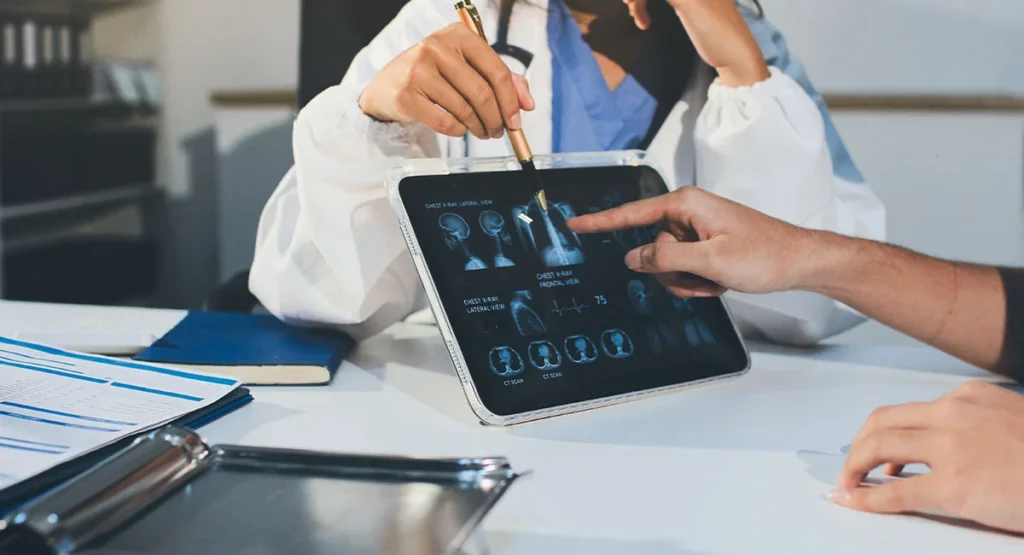

Have you ever wondered how ENT clinics can improve their workflow, reduce errors, and enhance patient care? With the rapid advancement of healthcare technologies, clinics specializing in ENT (Ear, Nose, and Throat) are making a significant shift towards Digital History Tracking Systems. This transition isn’t just about adopting new tools—it’s about transforming the way care is delivered, improving patient satisfaction, and streamlining clinical processes.
However, despite the clear advantages, many clinic owners and healthcare professionals still hesitate to implement digital health records, fearing the complexities and costs involved. But what if we told you that adopting these systems could actually reduce costs, enhance productivity, and ensure better patient outcomes?
In this article, we will explore the growing trend of digital history tracking in ENT clinics, how it works, and why it’s becoming an essential part of modern healthcare. You’ll also discover practical steps for integrating digital records into your clinic’s workflow, and real-world examples that highlight the benefits of this transformation.
1. What Is Digital Health Tracking in ENT Clinics?
Digital health tracking systems in ENT clinics involve the electronic management of patient information. These systems store patient histories, medical records, treatment plans, and diagnostic results, making them easily accessible and shareable across healthcare providers. Unlike paper-based records, these systems offer improved accuracy, accessibility, and security.
Benefits of Digital Health Tracking Systems:
- Better Organization: Digital records are easier to organize, update, and retrieve.
- Enhanced Accuracy: Reduces human error in record keeping and treatment plans.
- Real-Time Data Access: Enables quick access to patient data, crucial for urgent treatments.
- Improved Patient Care: Continuous access to complete health histories allows for more informed decisions.
2. Why ENT Clinics Need Digital Health Tracking Systems
ENT clinics deal with a wide range of patient conditions, from hearing loss to chronic sinusitis, often requiring detailed patient histories. Here’s why digital tracking is essential for these clinics:
- Complexity of Cases: ENT specialists often need detailed patient data to make accurate diagnoses. Digital systems consolidate all relevant information in one place.
- Better Communication: Enables easy sharing of patient records among specialists, ensuring that everyone involved in the care process is on the same page.
- Regulatory Compliance: Pakistan’s healthcare system is increasingly focusing on digitizing medical records for better regulation and data security.
3. How Do Digital Health Records Improve Patient Outcomes in ENT Clinics?
Digital health records can significantly impact patient care by improving clinical workflows and reducing the chance of errors.
- Faster Diagnoses: With all patient data at their fingertips, ENT specialists can make faster, more accurate diagnoses.
- Treatment Continuity: A digital system ensures that any physician involved in the patient’s care can quickly access up-to-date treatment plans and medical histories.
- Preventing Medical Errors: Digital records minimize the risk of errors like misinterpretation of handwritten notes or lost files.
Case Study:
One ENT clinic in Karachi implemented a digital history tracking system and reported a 30% reduction in diagnostic errors and a 25% improvement in patient satisfaction within the first year.
4. Challenges of Implementing Digital Health Tracking in ENT Clinics
While the benefits of digital health systems are clear, there are challenges that clinics may face during implementation.
- Cost of Implementation: Initial setup costs for digital systems can be high, especially for small clinics with limited budgets.
- Training and Adaptation: Staff members must be trained to use the new systems, which can take time and resources.
- Integration Issues: Clinics with existing software may find it challenging to integrate digital health records with their current systems.
Pro Tip:
Start small—implement digital health records for a few departments before scaling across the entire clinic. This will allow you to test the system and address any issues that arise.
5. How to Overcome Barriers and Successfully Implement Digital Health Tracking
Successful implementation of digital health tracking requires a well-thought-out plan and careful attention to the needs of the clinic.
Steps to Implement:
- Choose the Right Software: Ensure the software is customizable and user-friendly.
- Train Staff Effectively: Provide comprehensive training to ensure smooth adoption.
- Consider Data Privacy: Make sure your system complies with local data protection laws (e.g., Pakistan’s health data regulations).
Expert Insight:
It’s important to involve all team members in the decision-making process, from the clinic manager to the front-desk staff, to ensure the software meets everyone’s needs, says Dr. Ali, an ENT specialist in Lahore.
6. The Future of Digital Health Records in ENT Clinics
As technology evolves, ENT clinics are seeing even more possibilities for integrating advanced tools into their digital health systems, such as:
- Artificial Intelligence (AI) for Diagnosis: AI-powered tools that analyze patient data for early disease detection.
- Telemedicine Integration: Digital records integrated with telemedicine platforms, allowing remote consultations.
- Interoperability with Other Health Systems: The ability to share patient data seamlessly between various healthcare providers, enhancing coordination.
7. Real-World Examples: How ENT Clinics Are Benefiting from Digital Health Records
- Karachi ENT Clinic: A leading ENT clinic implemented digital health records and reduced patient waiting times by 40%. Doctors can now access detailed patient histories, including past treatments and test results, instantly.
- Lahore ENT Center: By adopting digital tracking systems, this clinic improved data accuracy and saved 2 hours of staff time per day.
Conclusion:
Incorporating digital history tracking systems into ENT clinics is no longer just an option—it’s a necessity. By improving patient care, enhancing operational efficiency, and ensuring compliance with modern regulations, digital systems offer clear advantages. As we’ve seen, many clinics have already reaped the benefits, from reducing medical errors to improving overall patient satisfaction.
For ENT clinics in Pakistan, adopting digital health records is a strategic move that promises not only to optimize daily operations but also to future-proof the clinic in a rapidly evolving healthcare landscape.
Next Steps:
Are you ready to upgrade your clinic’s operations? Start by evaluating your current workflow and identifying the digital health tracking solution that best fits your needs. Take action now, and see the difference it makes in both patient outcomes and clinic efficiency.
Ready to Upgrade Your Clinic?
Make your clinic smart, fast, and paperless with SehatPro Clinic Management Software.
Call or WhatsApp for Free Demo & ConsultationFAQ Section:
-
What is an ENT digital health record?
ENT digital health records are electronic systems used to track and store patient information specific to ear, nose, and throat treatments. They include medical histories, diagnosis, treatment plans, and test results.
-
How do digital health records benefit ENT clinics?
They enhance accuracy, improve workflow, streamline communication, and reduce human errors in documentation, leading to better patient care.
-
Is implementing a digital health record system expensive?
While the initial costs can be significant, many ENT clinics find that the long-term savings from improved efficiency and reduced errors offset the upfront investment.
-
Can digital health records be shared across multiple clinics?
Yes, digital health records can be shared across healthcare providers, improving coordination and continuity of care.
-
Are digital health records secure?
Yes, when properly implemented, digital health systems are highly secure, with encryption and access control measures in place to protect sensitive patient data.
-
What are the challenges of implementing digital health systems?
Challenges include costs, staff training, and integration with existing systems. However, these can be mitigated with careful planning and phased implementation.
-
How can digital health records improve patient care in ENT clinics?
By providing quick access to accurate patient data, ENT specialists can make informed decisions faster, leading to better diagnoses and treatment outcomes.