
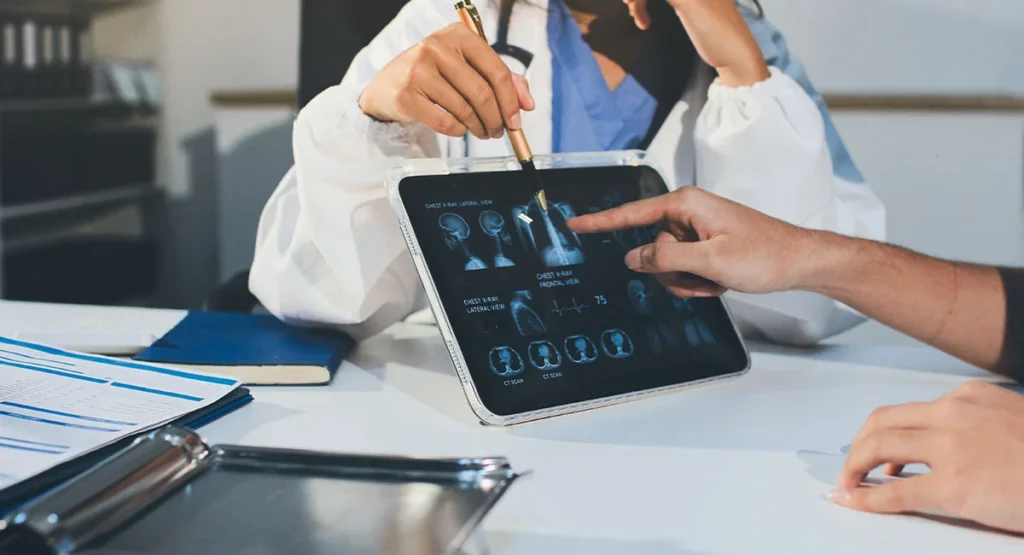
Are you still relying on traditional methods for ENT care in your clinic? With the digital revolution transforming healthcare, now might be the best time to explore modern solutions for improving patient outcomes and boosting clinic efficiency.
Imagine this scenario: a patient comes in with recurring ear infections, but instead of waiting for days to get test results, you access real-time diagnostic tools and detailed patient records with a click. The convenience and speed of digital ENT care systems not only save valuable time but also enhance the quality of care you provide.
In this article, we’ll explore how digital health systems are revolutionizing ENT care in Pakistan’s clinics. We’ll dive into the benefits of adopting modern ENT care technologies, share real-world examples, and show you how to leverage these systems to enhance patient care, streamline operations, and improve your clinic’s efficiency.
Why Digital ENT Care Is a Game-Changer for Clinics?
How can digital systems improve ENT diagnosis and treatment in clinics?
Digital health systems are helping ENT specialists to deliver faster, more accurate diagnoses and treatments. By utilizing tools like electronic medical records (EMRs), digital otoscopes, and telemedicine, ENT care has evolved to become more accessible and efficient. For example, digital otoscopes enable high-quality images of the ear canal and eardrum, allowing for better diagnosis and easier remote consultations.
Pro Tip: The integration of AI-powered diagnostic tools can enhance image analysis, reducing human error and helping clinicians make faster decisions.

Real-Time Patient Monitoring: What does it mean for ENT clinics?
Real-time monitoring is one of the biggest benefits of digital ENT care. Imagine a system that tracks a patient’s hearing levels, ear infections, or nasal health over time and sends alerts for follow-up appointments. This means less administrative work and better patient outcomes. Clinics can offer ongoing care without requiring patients to be physically present.
Example:
Smart hearing aids are now connected to mobile apps, allowing audiologists to remotely adjust settings and track progress, ensuring more personalized care.
How do digital health records benefit ENT clinics?
Managing patient data has traditionally been a manual and cumbersome process, but digital health records (EHRs) streamline this task. With EHRs, ENT specialists can easily track patient history, prescriptions, previous diagnoses, and treatment outcomes, all in one place. The risk of errors is minimized, and the time spent on paperwork is reduced significantly.
Pro Tip: EHRs allow clinics to manage a large volume of patient data, improving communication with other specialists and ensuring seamless continuity of care.
What are the cost savings and efficiency benefits for ENT clinics?
Adopting digital health systems can lead to significant cost savings for ENT clinics. With automated processes for patient management, billing, and scheduling, administrative costs are cut down. Additionally, digital records and telemedicine services reduce the need for in-person visits, increasing the clinic’s capacity to treat more patients without compromising care.
Example:
A clinic in Karachi implemented telemedicine for post-surgery follow-ups and reported a 30% reduction in office visits, leading to increased clinic efficiency.
Key Digital Tools and Technologies for ENT Clinics
Telemedicine: Bridging the Gap in ENT Care
Telemedicine enables ENT specialists to conduct virtual consultations, reducing the need for patients to travel long distances for care. This is especially beneficial in rural areas where access to specialists may be limited. Virtual consultations can help ENT specialists diagnose conditions such as sinus infections, ear infections, and even provide post-operative care.
Pro Tip: Integrate telemedicine with EHRs for a fully connected experience, where patients can access their records and continue treatment remotely.
Digital Otoscopes: Revolutionizing Ear Health Diagnosis
Digital otoscopes allow ENT specialists to capture high-resolution images of the ear canal and eardrum. These images can be analyzed in real-time and shared with colleagues for second opinions. This tool is a game-changer for diagnosing conditions like ear infections, tympanic membrane perforations, or even tumors in the ear.
Case Study:
Dr. Ali, an ENT specialist in Lahore, adopted digital otoscopy and reported a 40% improvement in diagnostic accuracy.
AI in Diagnostics: Enhancing Precision in ENT Care
AI-powered diagnostic tools are making waves in the ENT field by analyzing patient data and identifying patterns that might be missed by human eyes. For example, AI can assist in identifying abnormalities in ear scans or nasal images, making it easier to diagnose conditions like hearing loss, sinusitis, or even nasal cancer.
Pro Tip: Incorporating machine learning models into your clinic’s workflow can enhance decision-making and allow for quicker, more reliable diagnoses.
Overcoming Challenges in Implementing Digital Health Systems
What challenges do ENT clinics face when transitioning to digital health systems?
While the benefits of digital ENT care are clear, there are challenges in adopting these systems. One common barrier is the initial investment required to purchase equipment, such as digital otoscopes, telemedicine platforms, and EHR systems. Additionally, staff training and system integration can be time-consuming and costly.
Pro Tip:
Start small by implementing one digital tool at a time, such as telemedicine, and gradually integrate other systems to minimize disruption.
How can clinics ensure smooth integration of digital systems?
For successful digital adoption, ENT clinics must focus on training staff and selecting the right systems that integrate seamlessly. Choosing EHR systems that support digital imaging and telemedicine functionalities is crucial. Additionally, clinics should regularly update their software to ensure they are compliant with regulations and security standards.
Example:
A clinic in Islamabad saw a 50% improvement in patient satisfaction after providing staff with thorough training on using EHRs and digital diagnostic tools.
Future Trends in Digital ENT Care
What’s next for digital ENT care?
Looking ahead, the future of digital ENT care involves even more advanced tools, such as augmented reality (AR) for surgeries and AI-driven predictive analytics for identifying potential health risks. The adoption of 5G technology will allow for faster and more reliable telemedicine consultations, enhancing the patient experience.
Pro Tip: Keep an eye on emerging technologies like AR, which could transform ENT surgeries by providing 3D visualizations of the ear, nose, and throat structures during procedures.
Conclusion:
The shift towards digital ENT care systems in clinics offers numerous benefits, from enhanced patient care and streamlined operations to significant cost savings. As we’ve seen, integrating digital tools like telemedicine, digital otoscopes, and AI-driven diagnostic systems can vastly improve your clinic’s efficiency and diagnostic accuracy. By embracing these innovations, ENT specialists can ensure that they are providing the best possible care for their patients.
Call to Action: Ready to take your ENT clinic to the next level with digital health systems? Start by exploring telemedicine or digital otoscopes today and see how these tools can enhance patient care while improving your clinic’s productivity.
Ready to Upgrade Your Clinic?
Make your clinic smart, fast, and paperless with SehatPro Clinic Management Software.
Call or WhatsApp for Free Demo & ConsultationFAQ Section
How does digital health technology improve patient care in ENT clinics?
Digital health tools, like telemedicine and digital otoscopes, provide real-time diagnostic capabilities, reducing wait times and improving diagnostic accuracy.
Are there any cost benefits of digital ENT care for clinics?
Yes, digital tools reduce administrative costs, increase efficiency, and minimize the need for in-person visits, leading to substantial cost savings.
What types of digital tools can ENT clinics use?
ENT clinics can use digital otoscopes, telemedicine platforms, AI diagnostic tools, and EHR systems to improve patient care and clinic operations.
How can telemedicine benefit ENT specialists?
Telemedicine enables remote consultations, allowing ENT specialists to diagnose and treat patients without requiring them to visit the clinic, especially helpful for rural patients.
What challenges do clinics face in adopting digital ENT care systems?
The challenges include high upfront costs, training staff, and ensuring that digital systems are properly integrated with existing workflows.
What are some future trends in digital ENT care?
Future trends include the use of AI-driven predictive analytics, augmented reality for surgeries, and the implementation of 5G technology for faster telemedicine consultations.
Can AI be used for ENT diagnostics?
Yes, AI can analyze images and data to help diagnose conditions like ear infections, sinus issues, and even nasal cancer more accurately.